

Mudjacking contractors: 2026 cost, vetting & local factors
⏱️ 15 min read · Last updated: 2026
If you need to level a sunken driveway, patio, walkway, or garage floor, the right mudjacking contractors can often fix it faster and for much less than replacement. In 2026, the smartest choice is usually a licensed local pro who gives a written warranty, inspects your slab in person, and understands how your soil and climate affect the repair. This guide explains what mudjacking costs, how to compare quotes, and what to watch for before you hire.
Source: regionalwaterproofing.com
- Homeowners spend an average of $1,230 on a mudjacking project, with a typical range of $661–$1,868 (HomeAdvisor, 2025).
- Licensed mudjacking contractors complete most residential jobs in 2–4 hours, with typical response times for estimates of 1–3 business days.
- Mudjacking costs 25%–50% less than full concrete slab replacement, requiring no demolition or new pour (HomeAdvisor, 2025).
- Most states require a general contractor’s license for mudjacking, but specific “mudjacking” or “slab jacking” licenses are rare; verify with your state’s licensing board.
- Repairs performed correctly last 8–10 years or more, heavily dependent on underlying soil stability and water drainage (Civiltutorials, 2025).
My neighbor got a $1,900 quote to replace his sunken driveway apron. The mudjacking contractor down the road fixed it for $700 in two hours. That gap is common in 2026, and it is why the cheapest replacement quote is not always the smartest answer.
Source: www.homeadvisor.com
The real difference is local knowledge. A good contractor knows whether your property has expansive clay, poor drainage, or seasonal freeze-thaw stress that could affect the repair. Mudjacking is not a generic product. It is a local service, and the right team for a Houston patio is not always the right team for a Minneapolis garage floor.
How much does mudjacking cost in 2026?
Mudjacking typically costs $3–$8 per square foot, and the average project costs $1,230. Your price depends on square footage, access, the number of slabs, and your local market. In most cases, a detailed site visit is the only way to get a reliable number, because mudjacking contractors price jobs by layout as much as by size.
A small, open driveway apron usually lands at the low end. A covered porch with tight access or several heaved walkway sections will cost more. For an exact number, request a mudjacking cost estimate for your layout.
| Project Type | Average Cost Range (2026) | Key Cost Driver |
|---|---|---|
| Single driveway slab (100–200 sq ft) | $400–$1,200 | Accessibility for truck and hoses |
| Full concrete walkway (300–500 sq ft) | $900–$2,500 | Number of slabs and height adjustment needed |
| Patio slab | $500–$1,500 | Furniture access, drainage slope correction |
| Garage floor (single car) | $600–$1,800 | Interior work, vehicle weight requirements |
Mudjacking typically costs 25%–50% less than full slab replacement, with the primary savings coming from eliminating demolition, disposal, and new concrete pouring. This makes it the most cost-effective option for structurally sound slabs that are merely uneven (HomeAdvisor, 2025).
For projects with multiple slabs or major height differences, ask for a detailed mudjacking cost per square foot breakdown. Once you understand the price range, the next step is comparing the people behind the quotes, not just the numbers on the page.
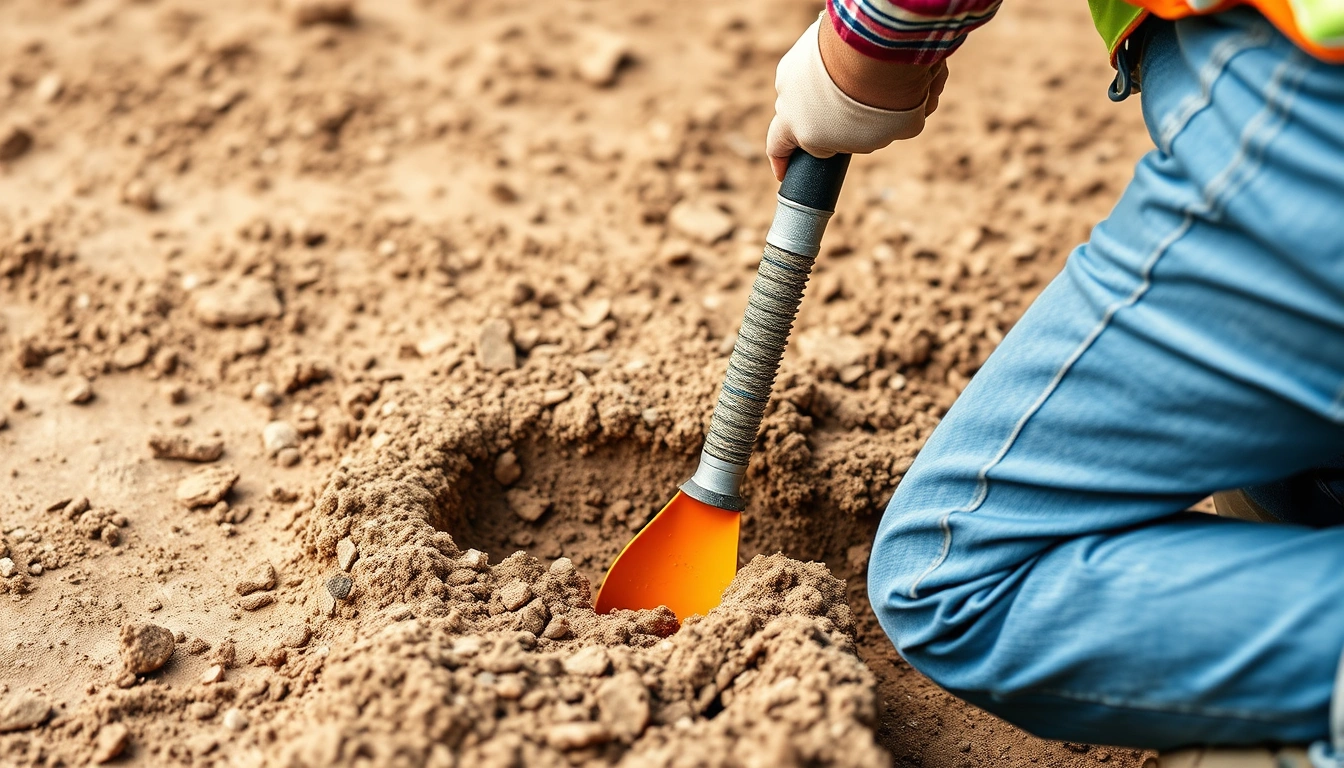
How do I choose a good concrete leveling contractor near me?
Start with three basics: a valid state contractor’s license, proof of general liability insurance, and a written warranty. A reliable concrete leveling company will provide all three without hesitation, and that confidence is usually a good sign that the crew does this work every day.
Search for “mudjacking contractors” plus your city name, then review the Google Business Profile. Look for 20+ reviews, a physical address, and recent project photos instead of stock images. A licensed concrete raising professional should be willing to show work similar to yours, and the best ones will also explain why local soil conditions matter.
Ask these questions during the estimate:
- What is the composition of your slurry mix for my soil type? A good contractor should know whether your soil is sandy, clay, or loamy.
- How do you manage water drainage after lifting? Poor drainage is a common reason repairs fail.
- What is your warranty period, and does it cover re-lifting? Look for a minimum 2-year warranty.
- Can you provide 3 references for jobs done over 2 years ago? This helps you judge long-term repair quality.
A local mudjacking service with a strong reputation is more valuable than a national chain with a generic process. After you compare licensing and reviews, the next filter is whether the contractor understands the conditions under your slab.
How your city’s climate and soil change the job
Your local climate and soil shape the whole repair plan. A method that works in Arizona’s dry, stable soil can fail in expansive clay or in places where seasonal moisture swings keep opening voids under the slab.
In the Southeast (Texas, Florida, Louisiana): Expansive clay soil swells when wet, then shrinks in dry periods and creates gaps. In these areas, a mudjacking contractor should use a mix and injection plan that reaches stable support below the soft layer.
In the West (California, Colorado): Expansive soils are common in many regions, and drought also matters. Soil shrinkage from water restrictions can cause sudden settling. Contractors in these areas should discuss long-term soil moisture management.
Because these conditions can vary block by block, the best contractor will inspect drainage, slope, and soil movement before they recommend a fix. That same site review also helps them choose the right season for the work.
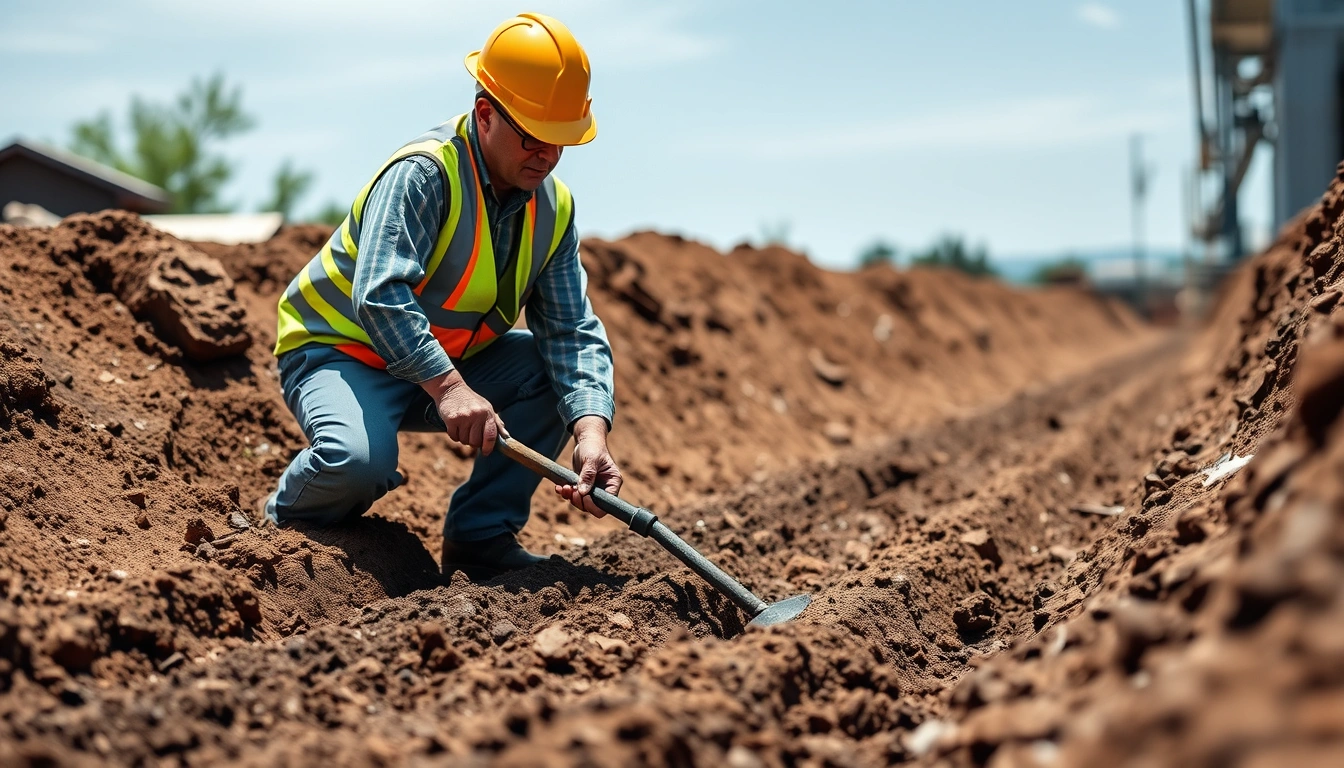
When is the best time of year to get mudjacking done?
Late spring through early fall is usually the best window. The ground is dry and stable, so the slurry cures well and the slab sits at its typical seasonal position.
Avoid winter in cold climates. Frozen ground blocks access and makes slurry mixing harder. Spring can also be risky because snowmelt leaves the soil saturated. If you lift a slab too early, it may settle again as the ground dries in summer.
Summer is usually the most predictable season for repairs. The soil has dried from spring rain, and the slab is at a more consistent elevation. In very hot climates, morning appointments are better because they reduce the risk of the slurry curing too fast. With timing in mind, it also helps to know which quote details should raise concern.
Red flags in quotes that should worry you
These warning signs should make you pause when you compare proposals from contractors:
- No site visit: A contractor who gives a price over the phone without seeing your property is guessing. Costs for mudjacking cost vary by access, soil, and slab condition.
- Vague scope: A quote that says “level driveway” without the number of slabs, target height, or drainage plan can lead to disputes.
- No warranty in writing: Verbal warranties are worthless. The warranty period and coverage must be in the signed contract.
- Pressure to decide today: Ethical contractors give you time to compare. High-pressure tactics often signal poor quality or desperation.
- Unusually low price: A bid 30% or more below competitors often means lower-quality material or poor preparation.
A trustworthy contractor explains the process, notes possible limits for your slab, and gives you a clear written agreement. They should also discuss the expected 8–10 year lifespan and what could shorten it. If you are still deciding between repair methods, the next comparison makes that choice easier.
Mudjacking vs. polyurethane foam: which is right for your slab?
Both methods lift sunken concrete, but they use different materials and work best in different conditions. The right choice depends on the project, your budget, and the soil under the slab.
| Factor | Mudjacking (Slurry) | Polyurethane Foam |
|---|---|---|
| Material | Cement, soil, water slurry | Expansive polymer foam |
| Cost | $3–$8 per sq ft | $5–$15 per sq ft |
| Weight | Heavier; requires stable subgrade | Very light; good for weak soils |
| Moisture | Adds moisture to subgrade | Waterproof and inert |
| Best for | Driveways, sidewalks, patios on solid soil | Pool decks, interior slabs, weak soils |
For many homeowners, the decision comes down to value and site conditions. Foam is often better around pools and in places with poor drainage because it does not add weight or moisture. For a standard driveway, traditional mudjacking is usually enough and costs less.
What to expect on repair day
A standard residential mudjacking job takes 2–4 hours from setup to cleanup. The crew drills 1–2 inch injection holes, pumps in the slurry, lifts the slab, patches the holes, and finishes with a walkthrough.
- Setup (20–30 minutes): The crew drills 1–2 inch injection holes through the slab at calculated points. They mark the locations first based on the lift plan.
- Injection (30–90 minutes): Slurry is pumped under pressure, filling voids and lifting the slab. The crew monitors the lift with levels and checks alignment often.
- Patching (20–30 minutes): The injection holes are filled with a concrete patch mix and smoothed to match the surface.
- Cleanup and walkthrough (15–20 minutes): The crew cleans the area, reviews the work with you, and explains any aftercare instructions.
You can usually walk on the slab right away and drive on it after 24 hours. The slurry keeps gaining strength for about a week. Avoid heavy, concentrated loads for the first 48 hours, and call your contractor if you notice unusual settling during the first few days.
- Mudjacking costs $661–$1,868 on average and saves 25%–50% versus full replacement.
- Always verify a contractor’s license online, demand a written warranty of 2+ years, and get three itemized bids.
- Local soil and climate matter more than the equipment brand, so choose a contractor who understands your conditions.
- Most residential mudjacking jobs take 2–4 hours, and estimates usually arrive in 1–3 business days.
What questions should I ask before hiring mudjacking contractors?
Ask about licensing, insurance, warranties, slurry mix, drainage, and references. Those answers tell you whether a contractor understands your property or is just selling a generic repair. If the answers are clear and specific, you are usually dealing with a better fit.
Who does mudjacking in my area and how do I find a reliable one?
Search for “mudjacking contractors” plus your city name. Verify candidates through your state’s contractor licensing board online, check their Google Business Profile for reviews, and ask for references from jobs completed over two years ago to gauge repair longevity.
Are there licensed mudjacking companies serving my city?
Most states require a general contractor’s license for this work, but specific “mudjacking” licenses are rare. Use your state’s licensing lookup tool to verify any contractor’s active license and check for complaints before hiring.
How quickly can a contractor come out for an estimate?
Reputable local mudjacking services typically provide on-site estimates within 1–3 business days. Be cautious of contractors who can’t schedule a visit for over a week, as it may indicate they are overbooked or not locally based.
What is the typical warranty period for mudjacking?
A quality contractor offers a minimum 2-year warranty, with many providing 3–5 years. The warranty should explicitly cover re-lifting if the slab settles again within that period, and the terms must be in your written contract.
Is emergency or same-day mudjacking service available?
Some contractors offer emergency service for severe trip hazards or safety issues, but expect a premium fee. For standard projects, scheduling 1–2 weeks out is normal to ensure proper preparation and soil assessment.
How do I know if my slab needs mudjacking or full replacement?
Mudjacking works for structurally sound slabs that have settled or are uneven. If the concrete is extensively cracked, crumbling, or has large sections missing, replacement is usually more cost-effective and durable.
The bottom line
Hiring mudjacking contractors in 2026 is less about the method and more about the local expertise behind it. The right crew will use a slurry mix adapted to your soil, understand how your weather affects the repair, and stand behind the work with a real warranty.
Your most important step this week is simple: get three written, itemized quotes from licensed contractors. Compare the price, the scope, the warranty, and the explanation for why your concrete settled. That comparison will show you who the real professionals are.
See also: pool deck leveling cost
See also: mudjacking cost
See also: mudjacking cost estimate factors
See also: mudjacking cost
See also: pool deck leveling cost
See also: is mudjacking worth it

