
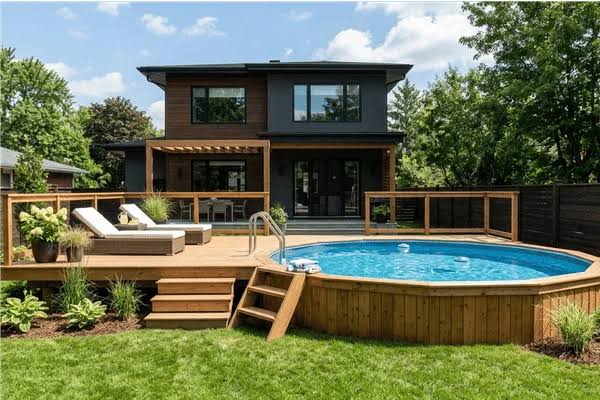
Pool deck leveling cost: a real pricing breakdown for 2026
⏱️ 8 min read · Last updated: 2026
- Mudjacking price range: $3–$7 per square foot in most regions.
- Polyjacking price range: $5–$10 per square foot; higher for complex lifts.
- Minimum job fee: A standard $500–$800 minimum applies for small jobs under 200 sq ft.
- Average total project cost: $1,200–$3,500 for a typical sunken pool deck section.
- Regional variance: Costs in the Southwest U.S. run 15–25% higher than the Midwest due to soil and licensing.
A contractor quoted my sister $2,800 to fix the sunken slab around her above-ground pool. The polyjacking quote was $1,900 for the same square footage. I told her to call a different mudjacking crew for a second opinion. That crew did it for $1,200. The pool deck leveling cost you pay often has less to do with the concrete and more to do with who shows up and what’s under the slab.
The price gap between methods and contractors is real and significant. Mudjacking is generally cheaper upfront, but the polyurethane foam option lasts longer and offers a more precise lift. The right choice isn’t about finding the lowest number—it’s about matching the method to your soil, your budget, and how long you plan to stay in the home.
How much does it cost to level a sunken pool deck in 2026?
Understanding the base pool deck leveling cost is the first step. The average project in 2026 runs between $1,200 and $3,500 for a standard 200-400 square foot section lifted 2-4 inches. This range depends on both the method you choose—mudjacking or polyjacking—and the specific details of your job. To begin, let’s look at a straightforward breakdown of what you’ll encounter when getting quotes.
The minimum job fee is critical for small projects. If your sunken area is less than 150 square feet, that $500-$800 floor will set your total cost, making the per-square-foot math less relevant. Here’s how different slab sizes typically translate into costs.
| Slab Size (sq ft) | Estimated Cost (Mudjacking) | Estimated Cost (Polyjacking) | Notes |
|---|---|---|---|
| 100 sq ft | $500 – $800 | $600 – $1,000 | Often hits the minimum job fee. |
| 300 sq ft | $900 – $2,100 | $1,500 – $3,000 | Most common pool deck size. |
| 500+ sq ft | $1,500 – $3,500+ | $2,500 – $5,000+ | Bulk pricing may apply; multi-slab work. |
Additional void fill cost applies if large cavities exist under the slab due to erosion or poor original preparation. This is where projects can exceed the base estimates. For a deeper look at the mechanics behind these figures, see our breakdown of mudjacking cost.
The 4 things that actually change your price
Once you have the baseline numbers, it’s crucial to understand what can shift that final invoice. Four key variables determine your final pool deck leveling cost, and understanding them gives you leverage during quotes. The first is the square foot pricing for the method chosen. The second is the total area of the slab requiring service.
The third is the lift height required. Raising a slab 1 inch is fundamentally different from raising it 5 inches. Deeper lifts require more material and more passes, increasing both the mudjacking price and the polyjacking price. The fourth variable is regional cost variance. Labor and material costs in coastal or metropolitan areas run higher. For instance, data from the Bureau of Labor Statistics shows significant regional wage differences for skilled construction labor, which directly impacts your quote.
IF the slab is large (over 400 sq ft) AND the lift is under 3 inches, THEN you’ll likely get the best per-square-foot deal on mudjacking. BUT IF the lift is significant (4+ inches) or involves multiple slabs at different heights, the precision of polyjacking foam often becomes worth the premium.
- Area of the slab: Larger areas reduce the effective per-square-foot cost once past the minimum fee.
- Lift height: A lift over 3 inches requires more material and time, adding 20-40% to the base price.
- Access difficulty: A pool deck blocked by landscaping or fencing increases labor time and cost.
- Material choice: Polyjacking uses polyurethane foam, which is more expensive per unit than the grout slurry used in mudjacking.
Mudjacking vs. polyjacking: the real cost trade-off
The average price per square foot for pool deck leveling is lower for mudjacking ($3-$7) than for polyjacking ($5-$10). However, understanding the material differences is key to evaluating long-term value. Mudjacking uses a heavy slurry of soil, cement, and water, while polyjacking uses lightweight, expanding polyurethane foam. According to technical guides from the American Concrete Institute, material density is a primary factor in the longevity of concrete lifting repairs.
For a sunken pool deck, the ground often suffers from poor drainage or loose fill soil. In these conditions, the heavier mudjacking material can add load to the soil and contribute to future settling. The foam in polyjacking is inert, waterproof, and provides a permanent void fill that actually improves drainage by sealing the area. For a comprehensive guide on foam injection, explore our article on polyjacking.
The key insight: the polyjacking price is higher, but you are paying for a material that won’t wash away, settle, or add load to unstable soil. For pool areas with chronic water issues, this often makes it the more cost-effective choice over a 10-year period.
My neighbor’s sunken pool deck was caused by soil washout from the pool’s overflow. Mudjacking was cheaper, but we both knew the same problem would return. The polyjacking quote included a plan to seal around the pool coping as part of the job, addressing the root cause. That extra step was worth the difference in price.
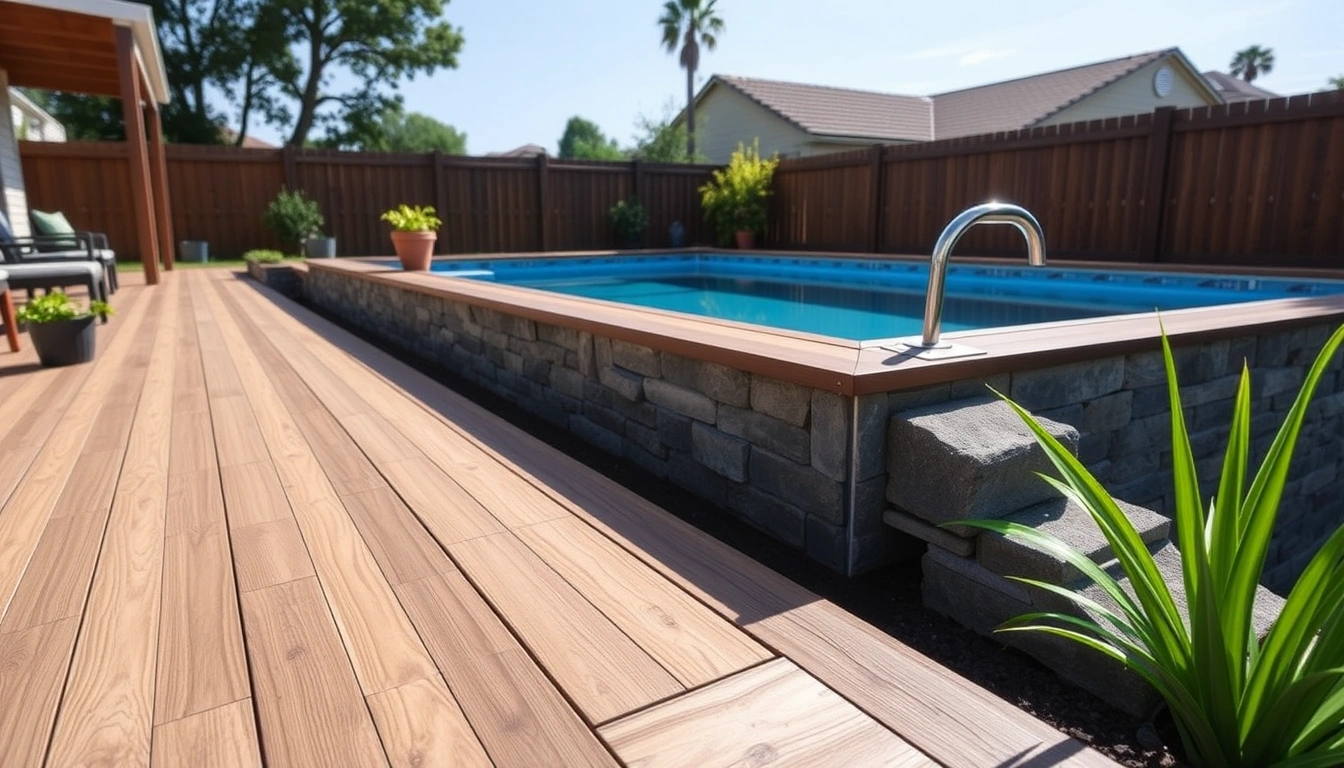
A sample job: what my neighbor actually paid
Let’s walk through a real example to see these costs in action. The project involved leveling a 350-square-foot concrete pool deck that had sunk 3 inches in one corner, creating a dangerous slope toward the pool. The soil was loose fill that eroded over time.
Here are the quotes she received in 2026:
- Mudjacking Quote #1: $1,900 total. This broke down to $5.43 per square foot. The company noted the lift might require extra material due to the void depth.
- Mudjacking Quote #2: $1,200 total. A smaller crew with lower overhead. The price was attractive, but the warranty was only 1 year.
- Polyjacking Quote: $2,200 total. This was $6.29 per square foot and included a 5-year warranty and a sealant application around the pool edge.
She chose the first mudjacking quote. The crew drilled 5 holes, pumped the slurry, and filled the voids. The process took about 4 hours. The result was a level deck, and the cost was 45% less than the foam option. It was a pragmatic choice for her budget and timeline. Now, let’s consider scenarios where these standard pricing models may not apply.
When the standard pricing guide is wrong
The standard pricing ranges assume a straightforward job. Here are four scenarios where the normal advice breaks down and the pool deck leveling cost will deviate significantly.
1. Situation: Your pool deck is made of multiple, separate slabs
What changes: Leveling becomes a precision job. Each slab must be lifted individually to match the others, requiring more labor and time.
What to do instead: Get a polyjacking quote specifically. Foam allows for minute, controlled lifts that are harder to achieve with mudjacking. Expect to pay 20-30% more than the standard per-square-foot rate.
2. Situation: The slab is severely cracked or broken
What changes: Leveling alone won’t fix the structural integrity. The cracks need repair, and the slab may not lift evenly.
What to do instead: You likely need a full replacement, not a leveling. Get a replacement quote to have a true comparison. In this case, the pool deck leveling cost is moot.
3. Situation: The slab is directly next to the pool wall with no gap
What changes: Lifting the slab could damage the pool wall or liner. The work requires extreme care and possibly specialized equipment.
What to do instead: Only hire a contractor who explicitly has experience with this scenario. They may need to relieve pressure on the wall before lifting. This specialty work adds to the cost.
4. Situation: You have a large void under the entire deck from erosion
What changes: The void fill cost skyrockets because you’re not just lifting, you’re filling a massive empty space with material.
What to do instead: Get multiple quotes. Some contractors charge for material by the bag or cubic foot, which becomes the primary cost. This can easily double your estimate.
Is pool deck leveling cost cheaper than replacing the concrete?
Yes, pool deck leveling cost is almost always significantly cheaper than full slab replacement. A complete tear-out and replacement of a 300-square-foot pool deck typically costs $4,000 to $8,000 in 2026. This is two to three times the price of leveling. The cost savings are substantial, allowing you to restore function without the massive expense and disruption of a full reconstruction.
The math is simple when the slab is structurally sound but just sunken. If there are no major cracks and the concrete is in good shape, leveling is the clear winner financially. However, if the slab is deteriorating, cracked across the surface, or the base is completely failed, replacement is the only lasting solution. Pouring new concrete over a failing base is a waste of money. The leveling conversation is for concrete that has simply moved, not concrete that has failed.
Your next steps: a simple decision framework
Stop worrying about the average price. Start by diagnosing your specific situation to get the most accurate estimates.
- Measure the area: Calculate the square footage of the sunken section. Is it under the minimum job fee threshold?
- Assess the slab: Walk the surface. Are there major, structural cracks? Is the concrete otherwise sound?
- Consider the soil: Is this an area with known drainage issues, expansive clay soil, or past erosion problems?
IF the slab is sound and the area is large, get two mudjacking quotes and one polyjacking quote. IF the area is small, the minimum fee will be your main cost driver. IF you have known soil problems, lean toward the polyjacking price for a more permanent void fill solution.
Contact three local contractors. Ask each for a quote that specifies: method, price per square foot, total project fee, and warranty length. Compare those specific numbers, not just the bottom line.
- Pool deck leveling cost ranges from $3–$10 per square foot, with a total project cost of $1,200–$3,500 for a typical job in 2026.
- The minimum job fee ($500–$800) is your primary cost for small slabs under 150 square feet.
- Polyjacking is more expensive but uses lightweight, waterproof foam ideal for unstable soil around pools.
- Always get itemized quotes to compare the cost per square foot and total fee fairly.
What is the average price per square foot for pool deck leveling?
In 2026, the average price per square foot is $3–$7 for mudjacking and $5–$10 for polyjacking. The exact price depends on the lift height required, soil conditions, and your regional market. Always ask for this number in your quotes.
How much does void fill cost for a sunken pool deck?
Void fill is included in the per-square-foot pricing for both methods. However, if there are large, deep cavities from soil erosion, contractors may charge extra for material. This can add $500–$1,500 to the project cost depending on the void volume.
Is there a minimum fee for leveling a small pool deck area?
Yes, almost all contractors have a minimum job fee, typically between $500 and $800. If your project area is under 200 square feet, this minimum fee will likely be your total cost, regardless of the method chosen.
How much more does polyjacking cost compared to mudjacking for a pool deck?
Polyjacking typically costs 30–50% more than mudjacking for the same square footage. The polyjacking price premium pays for the lightweight polyurethane foam material and the precision of the equipment, which is often better for poolside soil.
What is the cheapest way to level a sunken concrete pool deck?
The cheapest method is mudjacking, with costs starting at $3 per square foot. To keep pool deck leveling cost low, ensure you get multiple quotes, confirm the per-square-foot price, and understand that a smaller project will hit the minimum job fee floor.
Does the thickness of the concrete slab affect the leveling price?
Thicker slabs (over 4 inches) are heavier and may require more pressure and material to lift, potentially adding 10–15% to the cost. Standard pool decks are often 3-4 inches, which falls into the base pricing range.
The bottom line
For most sunken pool decks, mudjacking is the more affordable option and will restore a safe, level surface. However, if your deck sits on erodible soil or you’re dealing with complex slab arrangements, the upfront investment in polyjacking can prevent future headaches and costs. Don’t just compare the bottom-line price; compare the method’s suitability to your ground conditions. Your best move this week is to measure the affected area of your pool deck and request two itemized quotes—one from a mudjacking company and one from a polyjacking specialist. With those specific numbers in hand, you’ll know exactly what your project costs. For a broader look at concrete lifting expenses, review our complete guide on mudjacking cost.
See also: mudjacking cost
Related: mudjacking contractors
Related: How to Estimate Concrete Leveling Costs: DIY Calcu
Related: Sidewalk leveling cost in 2026: Per-section prices
Related: Polyurethane concrete leveling cost vs mudjacking
Related: Mudjacking driveway cost 2026: Real pricing breakd


