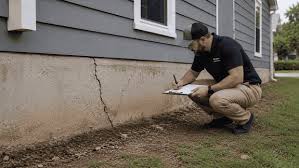
Mudjacking driveway cost: What you’ll actually pay per panel in 2026
⏱️ 9 min read · Last updated: 2026
- Average mudjacking cost is $3–$6 per square foot, with the national median near $4.50/sq ft.
- A single sunken driveway panel repair commonly costs $300–$600.
- A driveway apron lift is a standard add-on costing $150–$500 extra.
- Mudjacking costs 50–70% less than full driveway repaving, which averages $4,000–$8,000.
If you are trying to budget a sinking driveway repair, mudjacking driveway cost is usually the fastest number to estimate. In 2026, most homeowners pay far less than replacement because the repair targets only the slab sections that have dropped. The final price depends on how many panels need lifting, how deep they sank, and whether the apron also needs attention. This guide shows the typical per-panel cost, how contractors price the job, and when mudjacking is the better value than repaving.
Most articles lump a single panel repair together with a full driveway overhaul. Those projects are not the same, and they should not be priced the same either. That is why the final number can vary so much from one quote to the next. Once you understand the difference between a small patch repair and a full lift, the numbers become much easier to compare.
What actually determines your mudjacking driveway cost
The biggest factor in mudjacking driveway cost is the number of concrete panels that need leveling. A driveway is not one single slab. It is made up of sections separated by control joints. If one panel sinks 2 inches, the repair only needs to address that section. If three panels sink unevenly, the crew still makes the trip, but the amount of material and labor rises with each added slab.
Soil condition comes next. In areas with expansive clay, contractors often charge more because the ground moves more and the repair may need extra material. Sandy or rocky soil usually creates fewer surprises and steadier pricing. Local labor rates matter too, and busy metro areas usually cost more than smaller markets.
Access also affects the price. A clear driveway lets the crew set up quickly, while parked cars, tight spaces, or steep grades slow the job down. For that reason, many contractors add a modest access fee when prep work takes extra time.
Core cost formula
The basic calculation is: (panel square footage × price per sq ft) + apron fee, if needed, + mobilization fee. Most quotes include the trip charge in the per-square-foot rate, so ask whether it is itemized separately before you compare estimates.
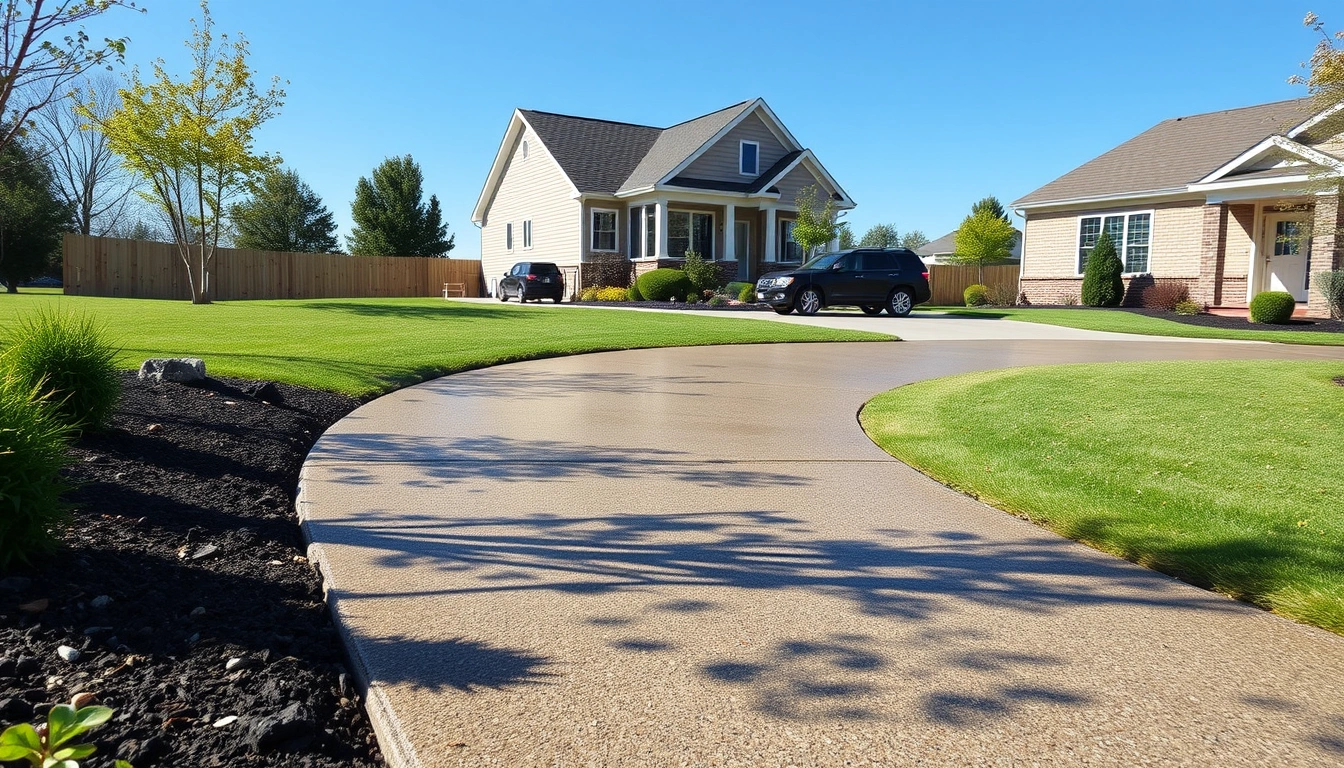
How much does it cost to raise a sunken concrete driveway with mudjacking?
Mudjacking usually costs between $300 and $600 to lift a single sunken concrete driveway panel in 2026. The exact price depends on panel size and sink depth. A standard residential panel is about 100 square feet, and lifting it 1–2 inches is the easiest type of job. A deeper drop of 3–4 inches may take more material and more time, which pushes the cost toward the high end of the range.
When more than one panel is sinking, the per-panel price often drops a little. That is because the crew can spread the mobilization fee across more work. For example, three panels might total $1,500, or about $500 each, while one panel alone might still land near $600.
A key data point: The most common mudjacking driveway project priced across reviewed quotes is a two-car driveway with two sunken panels near the garage, averaging a total cost of $800–$1,200.
To get a more accurate sunken driveway repair price, measure the length and width of each sinking section before calling contractors. Square footage is the easiest way to compare estimates, and it keeps each quote tied to the same scope of work.
The panel-by-panel mudjacking driveway cost breakdown
Breaking down mudjacking driveway cost by section is the best way to compare quotes fairly. Some contractors use a flat rate per square foot, while others provide a price per panel. Knowing which method they are using helps you avoid confusion and makes each estimate easier to read.
Here is a typical cost structure for mudjacking in 2026, assuming a standard 3/8-inch slurry mix:
| Scenario | Best path | Why other options fail |
|---|---|---|
| Single panel sink (approx. 100 sq ft) | Targeted panel lifting. Price: $300–$600. | A full driveway quote wastes money on stable slabs. |
| Multiple panels, same side | Zone-based pricing for the affected section. Price: $800–$1,800. | Paying per panel for the whole driveway ignores sound slabs. |
| Entire driveway uneven (400+ sq ft) | Full-area per-square-foot rate. Price: $1,200–$3,000. | Panel-by-panel quotes for a full job unnecessarily complicate the project. |
The “Best path” column is what you should request from every contractor. Ask for a line-item quote that separates the mudjacking driveway cost for each section. It protects you from overpaying and makes the scope of work transparent.
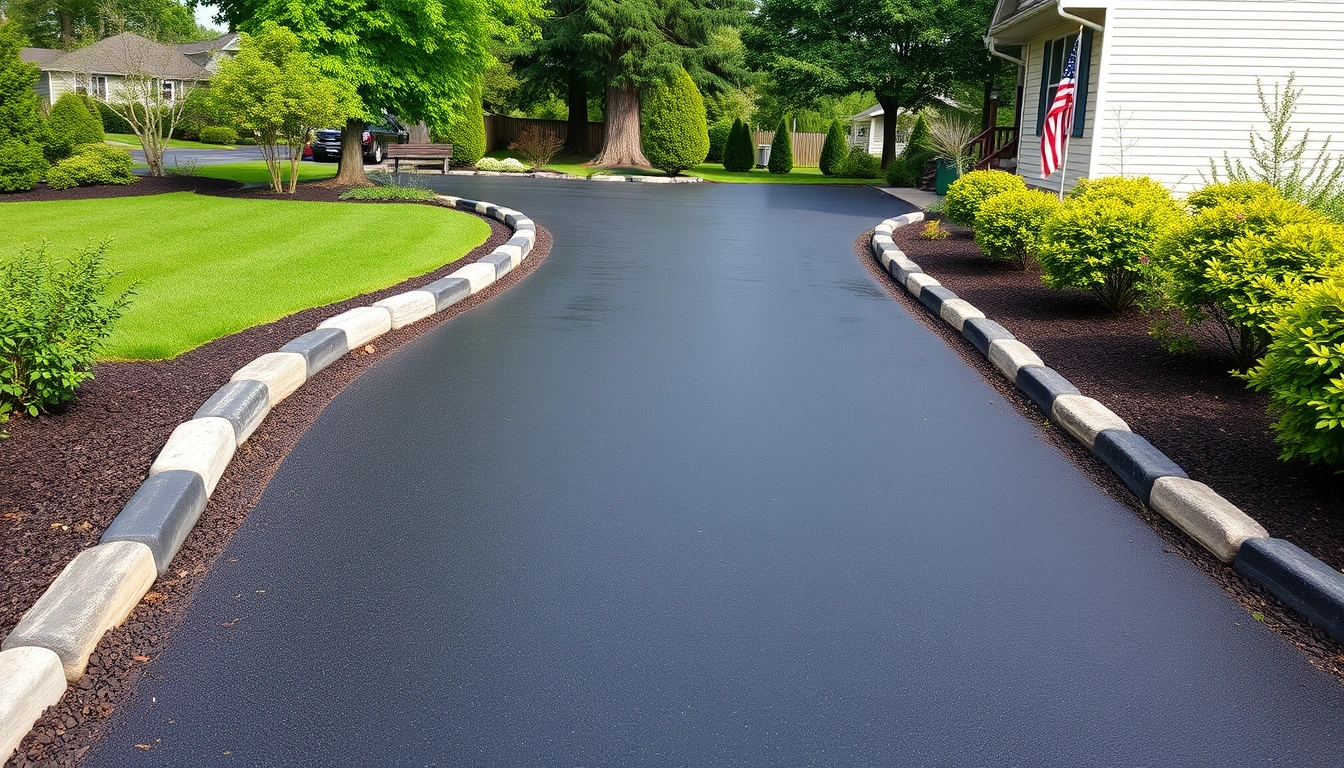
The driveway apron leveling factor
Concrete apron leveling often appears as a separate add-on in a mudjacking driveway cost estimate. The apron is the slab connecting your garage floor to the main driveway. Because it takes repeated stress from braking and turning, it can sink even when the rest of the driveway stays level.
Adding an apron lift typically costs $150 to $500, depending on the apron size and the depth of the drop. A small lip at the garage transition is a quick fix, while a larger dip takes more material and more careful lifting.
For that reason, it is usually best to address the apron at the same time as the rest of the driveway. If the apron is left out of the quote, you may still end up with an uneven transition that needs another repair later. Most reputable contractors recommend including it in the same project for a cleaner result.
Is it worth mudjacking a driveway, or should you just repave it?
Mudjacking is worth it for most sunken driveways if the concrete is still structurally sound. The real question is not just mudjacking driveway cost versus repaving cost. It is whether the slab itself is still a good candidate for lifting.
Use this simple decision framework:
- Inspect the concrete surface. Small cracks with mostly intact slabs make mudjacking a strong option. The cost is often 50–70% less than repaving, so the savings can be significant.
- Look for visible surface breakdown. When the concrete is breaking apart into many small pieces, mudjacking will not solve the problem because the slab itself is failing. In that case, repaving is the better long-term fix.
- Consider your timeline. Mudjacking usually takes only a few hours. Repaving can take days of demolition, base work, and curing. If you need fast driveway access, mudjacking is usually the quicker choice.
One cautionary example is a driveway with heavy spiderweb cracking that was lifted successfully but failed again within a year. The surface may have looked level for a while, but the underlying concrete was already too weak. Leveling a sinking driveway is not the same as repairing broken concrete, and that distinction matters.
When the standard pricing advice breaks down
Standard mudjacking driveway cost estimates do not fit every property. A few common situations can change the price or make another repair method a better fit. Knowing those exceptions ahead of time helps you avoid surprises on the final invoice.
- Very shallow soil or bedrock. In some areas, rock sits close to the surface and standard slurry cannot be pumped effectively. Contractors may switch to polyurethane foam, which is lighter and can be injected at higher pressure. Ask whether your soil requires foam and compare that price directly to mudjacking. Our mudjacking cost per square foot breakdown covers both methods.
- Driveway installed on fill dirt. Homes built on fill dirt or former construction sites may have unstable ground beneath the slab. Any lifted section can sink again faster than expected. Ask for a written warranty that addresses this condition before you approve the work.
- Severe frost heave damage. In cold climates, freeze-thaw cycles can push concrete upward and leave it uneven again. Mudjacking corrects the low point, but it does not remove the cause of the movement. Compare the cost of repeated repairs with more durable solutions before you commit.
- Underground utilities or drainage pipes beneath the slab. Slurry should not be pumped blindly near pipes. The crew may need ground-penetrating radar or careful utility mapping first, which can add $200–$500 to the estimate. Disclose any known pipes or drains when requesting a sunken driveway repair price quote.
- Older driveways (30+ years) with sealed control joints. Old caulk or sealant filling the joints can block injection points. The crew may need to grind out the joints before work begins, which adds labor time. Mention this condition during the estimate so the contractor can price it correctly.
- Mudjacking driveway cost is defined by the number of sinking panels and apron involvement, not total square footage alone.
- A single sunken panel costs $300–$600, while a full two-car driveway runs $1,200–$3,000 in 2026.
- Mudjacking is typically 50–70% cheaper than repaving, but only when the concrete structure is sound.
- Always request a line-item quote that separates driveway panel raising cost from apron leveling cost.
Common questions about mudjacking driveway cost
What determines the cost of mudjacking a driveway?
The main factors are the size of the sinking panels, your region, the soil type, and whether the apron needs lifting. Tight access or heavy prep work can also add to the final price.
How should I prep my driveway before a mudjacking crew arrives?
Clear all vehicles, planters, and debris from the driveway and the area around it. Trim low branches if needed. This helps the crew start faster and keeps the job moving without delays.
Mudjacking a driveway vs. repaving — which is cheaper long term?
For a structurally sound driveway with isolated sinking, mudjacking is cheaper both upfront and over time. It costs 50–70% less than repaving, and with proper drainage maintenance, the lift can last 5–10 years before minor touch-ups are needed.
Why did my driveway sink again after mudjacking?
Re-sinking usually happens when water keeps eroding the soil, the slab was built on unstable fill dirt, or the slurry mix was too weak. A better repair also addresses drainage so the concrete has a more stable base.
How much does it cost to level an entire driveway in 2026?
Leveling an entire 400–500 sq ft two-car driveway with mudjacking costs $1,200 to $3,000 in 2026. The final price depends on whether the full surface needs lifting or only certain sections, and whether the apron is included in the scope.
Get an itemized quote — that is the bottom line
Requesting a line-item quote is the single most important step you can take. Ask for the mudjacking driveway cost to be broken down by individual panel, with the apron listed as a separate line. That makes it much easier to compare bids and keeps one contractor from charging a full-driveway rate for a small repair. A solid contractor will provide this breakdown without hesitation.
Rather than chasing the lowest number, choose the quote that clearly states what work is being performed for each dollar charged. For broader context on how these costs compare across different projects, the guide on mudjacking cost covers the full pricing landscape. Start by measuring your sinking sections this week, then collect three detailed, itemized quotes before making any decision.
Mudjacking Cost in 2026: Real Per-Square-Foot Pricing by Slab Type, Soil, and Region
See also: mudjacking cost
See also: is mudjacking worth it
See also: mudjacking cost estimate factors
Related: foam injection pricing
Related: ADA trip hazard repair
Related: garage slab lifting
See also: mudjacking cost
See also: mudjacking contractors
See also: mudjacking cost estimate factors