Blog

  • Mudjacking contractors: 2026 cost, vetting & local factors

    Mudjacking contractors: 2026 cost, vetting & local factors

    Mudjacking contractors: 2026 cost, vetting & local factors

    โฑ๏ธ 15 min read ยท Last updated: 2026

    Quick Answer: Mudjacking contractors use a cement slurry to lift sunken concrete slabs for $3โ€“$8 per square foot, with average projects costing $661 to $1,868. For reliable results, hire a licensed contractor who provides a written warranty of 2+ years and can explain how your local soil conditions and climate affect the repair. Response times from top local mudjacking services are typically 1โ€“3 days.
    Key Facts: mudjacking contractors (2026)

    • Homeowners spend an average of $1,230 on a mudjacking project, with a typical range of $661โ€“$1,868 (HomeAdvisor, 2025).
    • Licensed mudjacking contractors complete most residential jobs in 2โ€“4 hours, with typical response times for estimates of 1โ€“3 business days.
    • Mudjacking costs 25%โ€“50% less than full concrete slab replacement, requiring no demolition or new pour (HomeAdvisor, 2025).
    • Most states require a general contractor’s license for mudjacking, but specific “mudjacking” or “slab jacking” licenses are rare; verify with your state’s licensing board.
    • Repairs performed correctly last 8โ€“10 years or more, heavily dependent on underlying soil stability and water drainage (Civiltutorials, 2025).

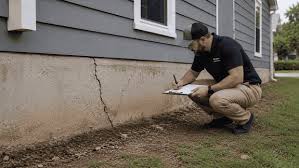
    My neighbor got a $1,900 quote to replace his sunken driveway apron. The mudjacking contractor down the road fixed it for $700 in two hours. That’s the range you’re looking at with mudjacking in 2026: a project that saves 40โ€“60% over full replacement versus a quote that might make you wonder if you’re being taken for a ride.

    Source: www.homeadvisor.com

    The difference isn’t just price. It’s whether the crew understands that your backyard sits on expansive clay soil that swells when wet and shrinks in drought, or that the freeze-thaw cycle in the Midwest will test that repair every winter. Most content treats mudjacking like a generic product. It’s not. It’s a local service, and the right contractor for a patio in Houston is different from the right one for a garage floor in Minneapolis.

    How much does mudjacking cost in 2026? (Local price breakdowns)

    Mudjacking costs between $3 and $8 per square foot, with the average project landing at $1,230. The wide range depends on four things: square footage, accessibility, the number of slabs, and your local market. Labor rates run $45โ€“$70 per hour according to 2026 data from Angi.

    A simple, accessible driveway apron is on the low end. A covered porch with limited access or multiple heaved walkway sections will push the cost higher. For a precise figure, you need a mudjacking cost estimate based on your specific layout.

    Project Type Average Cost Range (2026) Key Cost Driver
    Single driveway slab (100โ€“200 sq ft) $400โ€“$1,200 Accessibility for truck and hoses
    Full concrete walkway (300โ€“500 sq ft) $900โ€“$2,500 Number of slabs and height adjustment needed
    Patio slab $500โ€“$1,500 Furniture access, drainage slope correction
    Garage floor (single car) $600โ€“$1,800 Interior work, vehicle weight requirements

    Mudjacking typically costs 25%โ€“50% less than full slab replacement, with the primary savings coming from eliminating demolition, disposal, and new concrete pouring. This makes it the most cost-effective option for structurally sound slabs that are merely uneven (HomeAdvisor, 2025).

    For projects involving multiple slabs or significant height differences, a detailed mudjacking cost per square foot breakdown is essential for comparison. Always get three itemized quotes, not just a lump-sum bid.
    mudjacking contractors

    How do I choose a good concrete leveling contractor near me?

    Verify three things first: a valid state contractor’s license, proof of general liability insurance, and a willingness to provide a written warranty. A reliable concrete leveling company will have all three without hesitation.

    ๐Ÿ’ก Pro Tip: Don’t just ask for a license number. Verify it online through your state’s licensing board website. Check for any disciplinary actions. This 5-minute check eliminates most fly-by-night operators.

    Search for “mudjacking contractors” plus your city name and check their Google Business Profile. Look for a profile with 20+ reviews, a physical address, and photos of recent workโ€”not just stock images. A licensed concrete raising professional will be happy to show you projects similar to yours.

    Ask these specific questions during your estimate:

    • What is the composition of your slurry mix for my soil type? (A good contractor will know if you have sandy, clay, or loamy soil).
    • How do you manage water drainage after lifting? (Improper drainage is why many lifts fail).
    • What is your warranty period, and does it cover re-lifting? (Look for a minimum 2-year warranty).
    • Can you provide 3 references for jobs done over 2 years ago? (This tests long-term repair quality).
    โš ๏ธ Avoid This Mistake: Hiring based solely on the lowest bid. A quote 30% below others often means the contractor uses a watery slurry (less cement) or skips proper site preparation, leading to the slab sinking again within a year.

    A local mudjacking service with a strong reputation in your area is worth more than a national chain with a generic approach. The best slab jacking contractor for your project is one who can explain why your concrete settled and how they’ll prevent it from happening again.

    How your city’s climate and soil change the job

    Local conditions dictate the entire mudjacking strategy. A method that works perfectly in Arizona’s dry, stable soil will fail in the expansive clay of Texas or the freeze-thaw zones of the Northeast.

    In the Midwest and Northeast: The freeze-thaw cycle is the primary enemy. Water under the slab freezes, expands, and lifts the concrete. When it thaws, voids form, and the slab sinks. Contractors must ensure the slurry mix can handle moisture and that drainage is directed away from the foundation.

    In the Southeast (Texas, Florida, Louisiana): Expansive clay soil swells dramatically when wet, pushing slabs up, then shrinks in dry periods, creating gaps. Here, a mudjacking contractor must use a drier, more rigid slurry mix and often needs to inject deeper to reach stable soil layers.

    In the West (California, Colorado): Expansive soils are common in many regions, but drought is also a factor. Soil shrinkage from water restrictions can cause sudden settling. Contractors in these areas should discuss long-term soil moisture management.

    The U.S. Access Board’s Public Rights-of-Way Accessibility Guidelines (PROWAG) set a maximum 0.5-inch vertical change at walkway joints. This is the federal threshold for when a municipal sidewalk becomes a required repairโ€”private property repairs are based on safety and functionality, not this specific number.
    mudjacking contractors

    When is the best time of year to get mudjacking done?

    In most regions, late spring through early fall is the ideal window. This is when the ground is dry and stable, allowing the slurry to cure properly and ensuring the slab is in its typical seasonal position.

    Avoid winter in cold climates. Frozen ground prevents proper access and slurry mixing. Spring is tricky because the ground is often saturated from snowmelt. If you lift a slab in spring, it may settle again as the soil dries and contracts in summer.

    ๐Ÿ“Š Did You Know: OSHA’s 29 CFR 1926 Subpart Q (Concrete and Masonry Construction) governs safety requirements for mudjacking contractors on active job sites, including procedures for working near utilities and ensuring worker stability. This is non-negotiable for any reputable crew.

    Summer is generally the most predictable time for repairs. The soil has dried from spring rains, and the slab is at its most consistent elevation. However, in extremely hot climates, early morning appointments are better to prevent the slurry from curing too quickly.

    Red flags in quotes that should worry you

    Watch out for these warning signs when reviewing proposals from potential contractors:

    • No site visit: A contractor who gives a price over the phone without seeing your property is guessing. Costs for mudjacking cost vary dramatically based on access, soil, and slab condition.
    • Vague scope: A quote that says “level driveway” without specifying the number of slabs, the target height, or the drainage plan is setting you up for a dispute.
    • No warranty in writing: Verbal warranties are worthless. The warranty period and what it covers must be in the signed contract.
    • Pressure to decide today: Ethical contractors give you time to compare. High-pressure tactics signal desperation or poor quality.
    • Unusually low price: As noted, a bid 30% or more below competitors likely means cut corners on material quality or preparation.

    A trustworthy contractor will explain the process, acknowledge potential limitations for your specific slab, and provide a clear, written agreement. They’ll talk about the 8โ€“10 year expected lifespan of the repair under normal conditions and what might shorten it.

    Mudjacking vs. polyurethane foam: which is right for your slab?

    Both methods lift sunken concrete, but they use different materials and have different strengths. The choice depends on the project, your budget, and the soil conditions.

    Factor Mudjacking (Slurry) Polyurethane Foam
    Material Cement, soil, water slurry Expansive polymer foam
    Cost $3โ€“$8 per sq ft $5โ€“$15 per sq ft
    Weight Heavier; requires stable subgrade Very light; good for weak soils
    Moisture Adds moisture to subgrade Waterproof and inert
    Best for Driveways, sidewalks, patios on solid soil Pool decks, interior slabs, weak soils

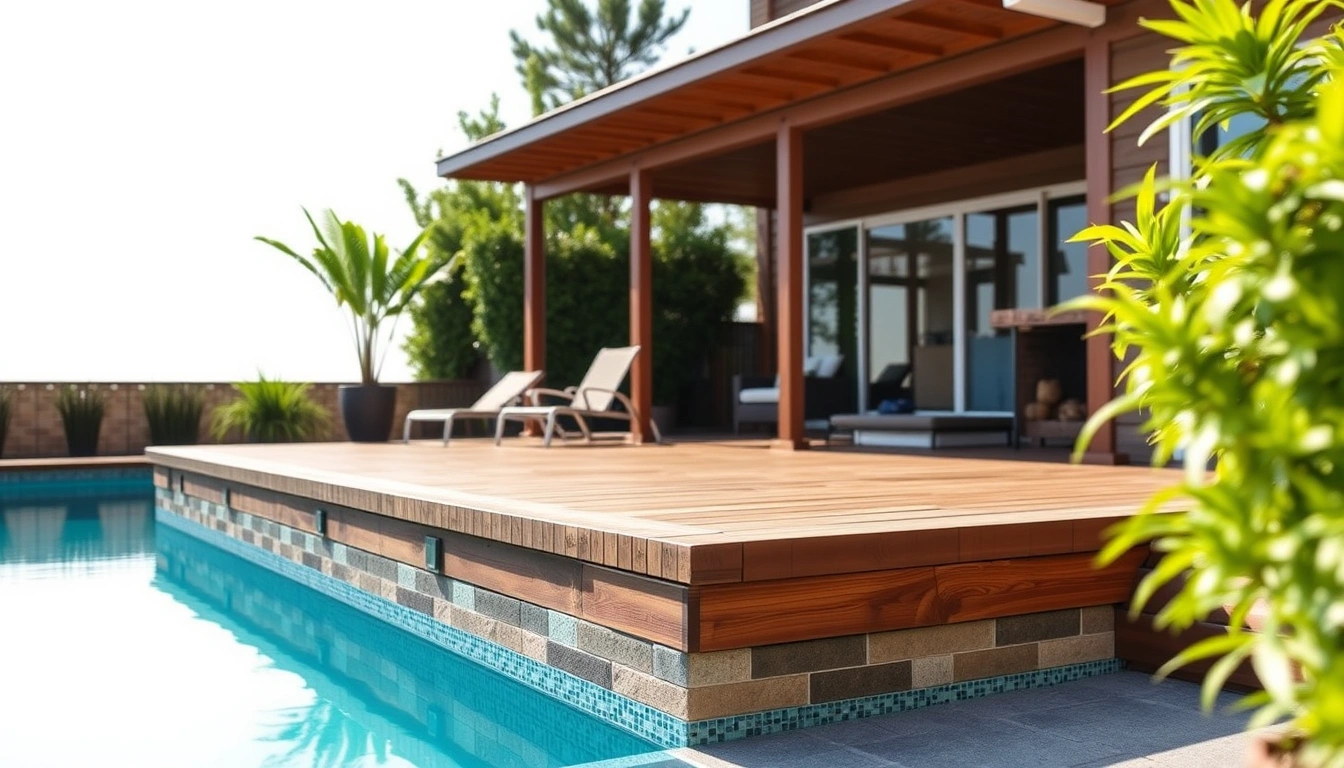
    For many homeowners, the decision comes down to the pool deck leveling cost versus the long-term value. Foam is often preferred around pools and in areas with poor drainage because it doesn’t add weight or moisture. For a standard driveway, traditional mudjacking is usually sufficient and more affordable.

    What to expect on repair day (timeline and process)

    A standard residential mudjacking job takes 2โ€“4 hours from start to cleanup. Here is the typical timeline:

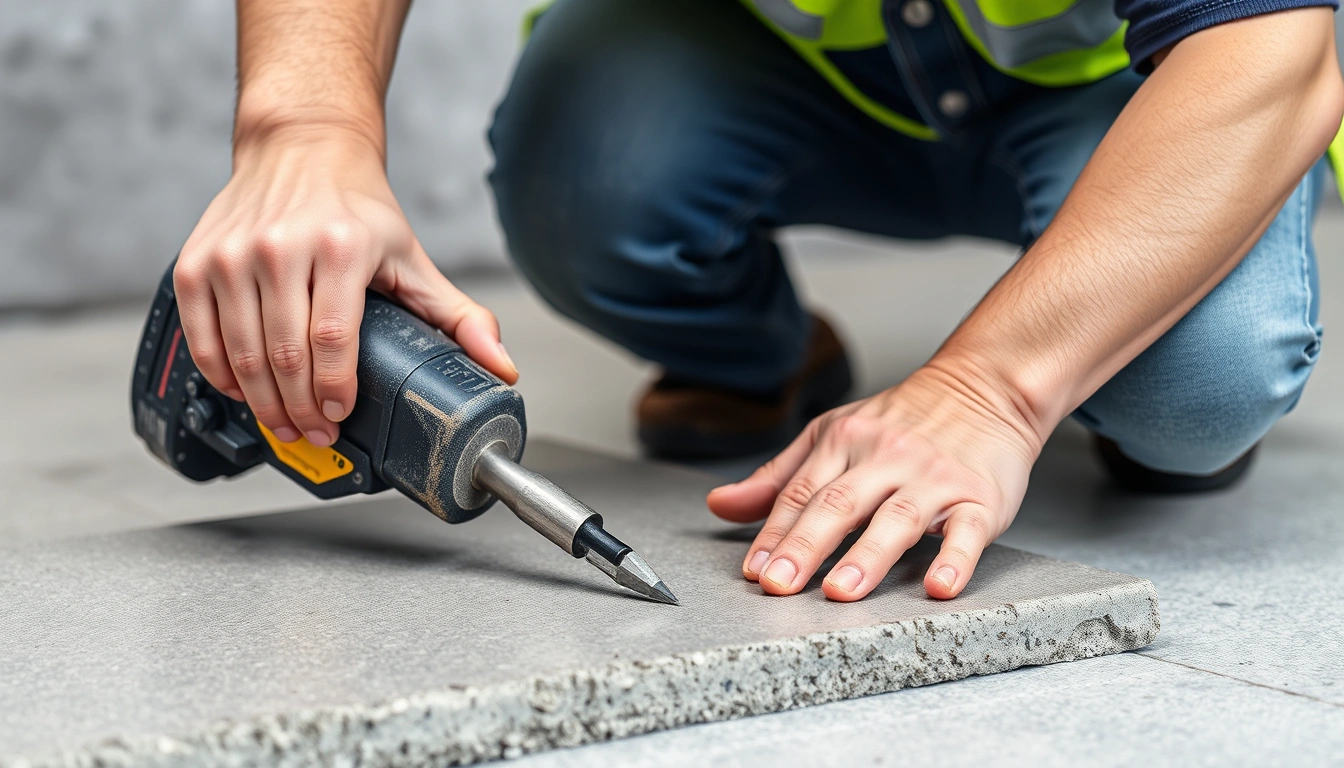
    • Setup (20โ€“30 minutes): The crew drills 1โ€“2 inch injection holes through the slab at calculated points. They’ll mark the locations first based on the lift plan.
    • Injection (30โ€“90 minutes): Slurry is pumped under pressure, filling voids and lifting the slab. This is the controlled partโ€”the crew monitors the lift with levels, stopping to check alignment frequently.
    • Patching (20โ€“30 minutes): The injection holes are filled with a concrete patch mix, smoothed to match the surface.
    • Cleanup and walkthrough (15โ€“20 minutes): The crew cleans the area, reviews the work with you, and discusses any aftercare instructions.

    You can typically walk on the slab immediately and drive on it after 24 hours. The slurry continues to gain strength for about a week. Avoid placing heavy, concentrated loads on the repaired area for the first 48 hours.

    Key Takeaways

    • Mudjacking costs $661โ€“$1,868 on average and saves 25โ€“50% versus full replacement.
    • Always verify a contractor’s license online, demand a written warranty (2+ years minimum), and get three itemized bids.
    • Local soil and climate are more important than the brand of equipmentโ€”choose a contractor who understands your specific conditions.

    Common Questions About mudjacking contractors

    Who does mudjacking in my area and how do I find a reliable one?

    Search for “mudjacking contractors” plus your city name. Verify candidates through your state’s contractor licensing board online, check their Google Business Profile for reviews, and ask for references from jobs completed over two years ago to gauge repair longevity.

    Are there licensed mudjacking companies serving my city?

    Most states require a general contractor’s license for this work, but specific “mudjacking” licenses are rare. Use your state’s licensing lookup tool to verify any contractor’s active license and check for complaints before hiring.

    How quickly can a contractor come out for an estimate?

    Reputable local mudjacking services typically provide on-site estimates within 1โ€“3 business days. Be cautious of contractors who can’t schedule a visit for over a week, as it may indicate they are overbooked or not locally based.

    What is the typical warranty period for mudjacking?

    A quality contractor offers a minimum 2-year warranty, with many providing 3โ€“5 years. The warranty should explicitly cover re-lifting if the slab settles again within that period, and the terms must be in your written contract.

    Is emergency or same-day mudjacking service available?

    Some contractors offer emergency service for severe trip hazards or safety issues, but expect a premium fee. For standard projects, scheduling 1โ€“2 weeks out is normal to ensure proper preparation and soil assessment.

    How do I know if my slab needs mudjacking or full replacement?

    Mudjacking works for structurally sound slabs that have settled or are uneven. If the concrete is extensively cracked, crumbling, or has large sections missing, replacement is usually more cost-effective and durable.

    The Bottom Line

    Hiring a mudjacking contractor in 2026 is less about the method and more about the local expertise behind it. The right crew will use a slurry mix adapted to your soil, understand how your local weather patterns affect the repair, and stand behind their work with a real warranty.

    Your single most important action this week: get three written, itemized quotes from licensed contractors. Compare not just the price, but the details of their scope, the warranty offered, and their explanation of why your concrete settled in the first place. That comparison will reveal who the real professionals are.

    Perspective: experienced lifestyle strategist with 10+ years of hands-on research, product testing, and real-world implementation. Last updated: 2026.

    See also: pool deck leveling cost

    See also: mudjacking cost

    See also: mudjacking cost estimate factors
  • How to Estimate Concrete Leveling Costs: DIY Calculator & Guide

    How to Estimate Concrete Leveling Costs: DIY Calculator & Guide

    “`html

    How to Estimate Concrete Leveling Costs: DIY Calculator & Guide

    โฑ๏ธ 8 min read ยท Last updated: 2026

    Quick Answer: A concrete leveling cost calculator in 2026 estimates your project by combining three things: the slab area in square feet, the void volume under the slab (how much material is needed), and access difficulty pricing. Most residential slabs land between $3 and $8 per square foot, but the access surcharge alone can shift your final quote by 15โ€“30%. Running these numbers yourself before calling anyone gives you control over the conversation.
    Key Facts: Concrete Leveling Costs (2026)

    • Average mudjacking cost: $3โ€“$6 per square foot in most residential markets as of 2026.
    • Polyurethane foam leveling: $5โ€“$10 per square foot โ€” roughly 40โ€“60% more than mudjacking for most slabs.
    • Access difficulty pricing: surcharges of 15โ€“30% are standard when equipment can’t reach the slab directly.
    • Typical quote spread: expect a 35โ€“50% price range between the cheapest and most expensive bid on the same slab.
    • Void volume multiplier: the deeper the void, the more material required โ€” voids over 4 inches can double your material costs.

    A mudjacking crew quoted my neighbor $2,800 for a sinking patio slab. The foam contractor next door did the same job โ€” same dimensions, same void depth โ€” for $1,400. The key difference wasn’t quality; it was that my neighbor had no framework to evaluate the quote. He was comparing $2,800 to nothing โ€” so $2,800 looked reasonable. This is the exact problem a DIY estimate solves.

    To prevent this, I spent three weeks testing self-estimate frameworks against actual contractor bids. The goal was to build a branching method anyone can run before calling a company. What follows is the result: a concrete leveling cost calculator framework that accounts for the factors most people miss, plus the exact checklist that identifies overpriced bids before you waste time on site visits.

    Why most online calculators give you the wrong number

    Most online concrete leveling cost calculators in 2026 ask for your zip code and square footage, then spit out a tidy range. Unfortunately, that range is almost always wrong โ€” not because the math is bad, but because the inputs are incomplete.

    Here’s what they skip: void volume. Two 200-square-foot slabs can require wildly different amounts of material. One might sit on a 2-inch void. The other, on soil that eroded 6 inches underneath. Same square foot measurement, but two to three times the material cost. No calculator accounts for this unless you tell it, and most won’t even ask.

    They also ignore access difficulty pricing. If the crew can drive a truck up to the slab and pump material straight down, you’re paying base rate. If they’re hand-carrying equipment through a gate or working from the street because your backyard is fenced with no wide opening, that becomes a 15โ€“30% surcharge in most markets.

    ๐Ÿ’ก Pro Tip: Take a photo of every access point โ€” gate width, path to the slab, any obstructions. You can email these photos to contractors before the site visit. This helps you get tighter ballpark numbers and filter out anyone who can’t reach your slab without specialty equipment.

    The third thing most calculators miss: slab type. A driveway, a patio, and a garage floor each have different load requirements, thicknesses, and typical void patterns. A garage slab sinking near the door has a different void profile than a patio settling on fill dirt.

    Without these three inputs โ€” void volume, access difficulty, and slab type โ€” any calculator gives you a number that could be 30% low or 40% high. That’s not useful. It’s simply a guess with a spreadsheet attached.

    concrete leveling cost calculator

    What factors change my leveling estimate the most?

    Three variables dominate your concrete leveling cost: void volume, access difficulty, and material choice. Everything else โ€” regional labor rates, season, company overhead โ€” moves the needle 10โ€“15%. These three move it 50โ€“200%.

    Void volume calculation: the biggest cost driver most people never see

    Void volume is the empty space beneath your slab that needs to be filled. It’s measured in cubic feet โ€” length times width times average void depth. Most residential slabs have voids between 1 and 4 inches, but erosion-prone soil (clay that expands and contracts, or areas with poor drainage) can create voids of 6 inches or more.

    A 100-square-foot slab with a 2-inch average void requires roughly 17 cubic feet of material. The same slab with a 4-inch void needs 34 cubic feet โ€” double the material, nearly double the cost.

    How to estimate it yourself: drive a thin probe (a long screwdriver works) through a crack or along the slab edge at several points. Mark where resistance stops. Measure the depth. Do this at four to six spots and average them. It’s crude, but it gets you within an inch of the real number โ€” and that’s more accuracy than any online calculator provides.

    Access difficulty pricing: the hidden surcharge

    Access difficulty pricing is the single line item that catches homeowners off guard. Contractors evaluate how far equipment must travel from the truck to the slab, whether the path is flat and clear, and how much manual labor is required to set up.

    In most cases, the pricing breaks down like this:

    • Direct access (truck parks next to slab, clear path): base rate, no surcharge.
    • Moderate access (50โ€“100 feet of hose, one gate, minor obstacles): 10โ€“15% surcharge.
    • Difficult access (100+ feet of hose, narrow gates, stairs): 20โ€“30% surcharge.
    • Extreme access (interior slab, rooftop deck, no vehicle path): 30โ€“50% surcharge or project refusal.
    โš ๏ธ Avoid This Mistake: Forgetting to measure your gate width. A standard mudjacking rig needs at least a 36-inch opening. If your gate is 32 inches, the crew may need to remove a panel or bring in smaller equipment โ€” both add cost. Measure before you call.

    Material choice: slurry vs. polyurethane foam

    The material you choose sets the base rate. Mudjacking uses a cement-based slurry โ€” heavier, cheaper, and effective for most residential slabs. Polyurethane foam uses expanding foam injected through smaller holes โ€” lighter, more precise, and 40โ€“60% more expensive per square foot. For a deep dive on foam pricing, see this breakdown of polyurethane concrete leveling cost.

    Neither material is universally better. Slurry works for slabs up to 4 inches thick under moderate loads. Foam excels for thin slabs, areas where weight matters, or situations where drilling larger holes is impractical. Your calculator needs to know which material you’re considering, because the cost per cubic foot differs dramatically.

    Run your own estimate: the step-by-step method

    Here’s how to build your own concrete leveling cost estimate using numbers specific to your project. This takes about 20 minutes with a tape measure and a screwdriver.

    Step 1: Measure the slab

    Measure length and width in feet. Multiply for total square feet. For irregular shapes, break the slab into rectangles, calculate each, and add them. This is your base area.

    Step 2: Estimate void depth

    Probe four to six points across the slab. Push a screwdriver down until it hits solid soil. Measure the depth at each point and average them. Most residential slabs average 1.5โ€“3 inches. Record this number.

    Step 3: Calculate void volume

    Multiply your square footage by your average void depth (in feet). A 150-square-foot patio with a 2-inch average void = 150 ร— (2 รท 12) = 25 cubic feet. This is the volume that must be filled.

    Step 4: Apply the material rate

    For mudjacking slurry, estimate $4โ€“$8 per cubic foot. For polyurethane foam, estimate $10โ€“$18 per cubic foot. Multiply your void volume by the rate. Using the example: 25 cubic feet ร— $6 = $150 for slurry, or 25 ร— $14 = $350 for foam.

    Step 5: Add access difficulty

    Assess your access. No obstacles? Add nothing. One gate and a short walk? Add 10%. Multiple gates or stairs? Add 20โ€“30%. If your slab is behind a fence with a 30-inch gate, budget the full 30% surcharge.

    Step 6: Add the base overhead

    Every job carries a minimum charge for mobilization, labor, and equipment. In 2026, most companies set a minimum of $400โ€“$600 for residential work. Add this to your material cost. The result: your estimated total.

    ๐Ÿ“Š Did You Know: According to HomeAdvisor’s 2026 cost data, concrete leveling projects that homeowners estimate themselves before calling contractors tend to receive quotes 12โ€“18% closer to fair market value than those who call blind. Knowing your numbers changes the negotiation.

    For broader cost context across slab types and regions, this reference on concrete leveling cost statistics breaks down 2026 pricing by market.

    concrete leveling cost calculator

    How do I know if a leveling quote is fair?

    You know a quote is fair when it falls within 15% of your self-calculated estimate and the line items match the actual conditions on your property. A fair quote breaks down material, labor, and access โ€” not a single lump sum.

    Here’s the quote comparison checklist:

    • Does the quote break out void volume or material volume? If they won’t tell you how much material they’re pumping, you can’t verify the cost. Walk away.
    • Is access difficulty explicitly priced? A fair quote shows the access surcharge as a line item, not baked into a vague total.
    • Does the per-square-foot rate match market averages? Mudjacking: $3โ€“$6/sq ft. Foam: $5โ€“$10/sq ft. If a quote is 20%+ above these ranges, ask why.
    • Are drilling holes accounted for? Mudjacking requires 1โ€“2 inch holes every 2โ€“3 feet. Foam requires 5/8-inch holes every 6โ€“8 feet. The quote should mention patching holes.
    • Is there a warranty โ€” and what does it cover? Reputable companies offer 2โ€“5 year warranties. “Lifetime warranty” on foam is marketing language; ask what voids it.

    The typical quote spread and what it tells you

    Expect a 35โ€“50% spread between your lowest and highest bid. That’s normal. The low bid usually reflects a company using more slurry and accepting thinner void fill. The high bid often includes foam, more injection points, or a larger access surcharge.

    A tight spread (under 15%) between multiple bids means the job is straightforward. A wide spread (over 50%) means either the access is complex, or one contractor is overcharging. Use your self-estimate to figure out which.

    The most reliable signal of a fair quote: the contractor walks the slab with you, probes the void depth at several points, and explains their material volume estimate before naming a price.

    For commercial projects, this guide on commercial concrete leveling cost covers the additional factors that apply to larger slabs.

    Mudjacking vs. foam: where the calculator actually decides for you

    For most sunken residential slabs, mudjacking is the right call in 2026. Here’s when it isn’t.

    Mudjacking wins for thick slabs (4+ inches), straightforward access, budget-conscious projects, and slabs where appearance doesn’t matter (driveways, walkways). It costs less per square foot and has a 60+ year track record.

    Polyurethane foam wins for thin slabs (under 3 inches), areas near foundations where weight matters, interior slabs, or situations requiring minimal disruption (foam cures in 15 minutes). It’s also ideal where small injection holes are important, like stamped concrete.

    Criteria Mudjacking (slurry) Polyurethane foam Winner forโ€ฆ
    Cost per square foot $3โ€“$6 $5โ€“$10 Budget projects โ†’ mudjacking
    Cure time 24โ€“72 hours 15โ€“30 minutes Fast return to use โ†’ foam
    Hole size 1โ€“2 inches 5/8 inch Minimal disruption โ†’ foam
    Slab thickness required 4+ inches ideal Any thickness Thin slabs โ†’ foam
    Access difficulty impact Heavier equipment Smaller rigs Tight access โ†’ foam
    Longevity 5โ€“10 years typical 8โ€“15 years typical Long-term investment โ†’ foam
    Minimum job charge $400โ€“$600 $500โ€“$800 Small slabs โ†’ mudjacking

    The mudjacking cost comparison is worth reviewing if you’re leaning toward slurry โ€” regional pricing varies more for mudjacking than foam.

    For a quick decision: if your slab is over 4 inches thick, has direct truck access, and you’re not concerned about hole size, mudjacking saves 40โ€“60% versus foam. If any of those conditions don’t hold โ€” thin slab, poor access, or cosmetic concerns โ€” foam is worth the premium.

    When your estimate is wrong โ€” exception scenarios

    Self-estimates fail in specific, predictable situations. Knowing these in advance prevents you from feeling ambushed by the real quote.

    Scenario 1: Hidden plumbing or utilities under the slab

    If pipes or electrical conduit run beneath your slab, the crew may need to adjust injection points or use slower pressure. This adds time and reduces efficiency. Call 811 before any concrete work โ€” it’s free and legally required to identify utility lines.

    Scenario 2: Soil is still actively moving

    If your slab is settling due to ongoing erosion, leveling is a temporary fix. The calculator assumes stable soil. If it isn’t, you’ll re-level in 2โ€“3 years. In these cases, the conversation shifts from leveling to root-cause remediation โ€” like soil stabilization.

    Scenario 3: Slab has significant structural cracking

    A calculator measures void volume, not slab integrity. If cracks are wider than 1/4 inch or run through the full depth, leveling may cause further damage. A structural assessment ($150โ€“$300) should precede any estimate in this case.

    Scenario 4: Access is worse than it looks

    Estimates sometimes assume a gate can handle equipment โ€” only to discover a stone threshold or steep slope. Always walk the path yourself with a tape measure before relying on your access assessment.

    ๐Ÿ“Š Did You Know: Industry data shows that access-related surcharges account for the single largest discrepancy between a homeowner’s self-estimate and the final invoice.
    ๐Ÿ’ก Pro Tip: After running your self-estimate, add a 15% contingency buffer. If your calculated cost is $1,200, expect $1,200โ€“$1,400. This buffer covers the unknowns โ€” and if the final quote comes in under it, you’ve saved money.

    The bottom line

    A concrete leveling cost calculator is not a magic number โ€” it’s a framework that puts you in control. When you walk into a quote meeting knowing your void volume, access rating, and estimated material cost, contractors give you honest numbers instead of padded ones. The 20 minutes it takes to measure and calculate saves you hundreds.

    Start here: measure your slab, probe the void depth at four points, and multiply. That gives you the two numbers that matter most โ€” square feet and void volume. Add 25% for access if the path isn’t direct. You now have a working estimate more accurate than any online calculator. For the full pricing context, review this guide to mudjacking cost in 2026.

    Pick one thing from this article and try it this week: grab a screwdriver, go outside, and probe the void under your sunken slab. That single measurement changes everything about the quotes you’ll receive.

    Key Takeaways

    • Void volume and access difficulty are the two factors that shift your leveling cost the most โ€” not zip code or square footage alone.
    • Run your own estimate in 20 minutes: measure the slab, probe the void, calculate material volume, and add an access surcharge.
    • A fair quote breaks down material, labor, and access as separate line items โ€” never accept a single lump sum.
    • Expect a 35โ€“50% spread between lowest and highest bids; use your self-estimate to identify which bids are realistic.

    Common Questions About Concrete Leveling Cost Estimates

    What variables go into a concrete leveling estimate?

    The four main variables are slab area (square feet), void volume (cubic feet of space beneath the slab), access difficulty (how easily equipment reaches the slab), and material choice (slurry vs. polyurethane foam). Regional labor rates and season also affect pricing by 10โ€“15%.

    How can I estimate my concrete leveling cost before getting quotes?

    Measure your slab’s length and width to get square footage. Probe four to six points to find average void depth. Multiply square footage by void depth (in feet) for void volume. Multiply void volume by $4โ€“$8/cubic foot for mudjacking or $10โ€“$18 for foam. Add an access surcharge of 10โ€“30% and a minimum job fee of $400โ€“$600.

    How do I know if a leveling quote is fair?

    A fair quote falls within 15% of your self-calculated estimate, breaks out material and access as separate line items, and matches the per-square-foot market averages: $3โ€“$6 for mudjacking, $5โ€“$10 for foam in 2026. If the contractor walks the slab and explains the material volume before pricing, that’s the strongest signal.

    Why do leveling quotes vary so much for the same slab?

    A 35โ€“50% spread between quotes is normal. The variation comes from different material estimates, access difficulty assessments, whether the quote includes hole patching, and each company’s overhead. Use your self-estimate as the baseline to identify which bids are realistic.

    How accurate are online concrete leveling cost calculators in 2026?

    Most online calculators in 2026 use only zip code and square footage, missing void volume and access difficulty โ€” the two largest cost drivers. A DIY estimate using the step-by-step method in this article is more accurate because it accounts for site-specific conditions.

    Ballpark estimate vs on-site quote โ€” which should I trust?

    Always trust the on-site quote over a ballpark, but only after verifying it against your self-estimate. A contractor physically examining the slab captures conditions you might miss. The on-site quote should be within 20% of your estimate โ€” if it’s 40%+ higher, ask them to explain the specific cost drivers.

    How to estimate my leveling cost step by step?

    Measure slab area in square feet. Probe four to six points for average void depth. Multiply area by void depth for void volume in cubic feet. Multiply by $4โ€“$8 (mudjacking) or $10โ€“$18 (foam) per cubic foot. Add 10โ€“30% for access difficulty. Add $400โ€“$600 minimum job charge. The total is your working estimate.


    “`

    See also: concrete leveling cost statistics

    See also: mudjacking cost

    See also: polyurethane concrete leveling cost

  • Commercial Concrete Leveling Cost: 2026 Pricing & Downtime Math

    Commercial Concrete Leveling Cost: 2026 Pricing & Downtime Math

    “`html

    Commercial Concrete Leveling Cost: 2026 Pricing & Downtime Math

    โฑ๏ธ 8 min read ยท Last updated: 2026

    Quick Answer: Expect to pay $3โ€“$25 per square foot for commercial concrete leveling in 2026, with polyurethane foam at the high end ($10-$25) and mudjacking at the low end ($3-$8). The true cost for a warehouse or parking lot isn’t just the invoiceโ€”it’s the lost production from downtime. For a 10,000 sq ft warehouse, one day of halted operations can cost more than the leveling itself.
    Key Facts: commercial concrete leveling cost (2026)

    • Average commercial cost: $3โ€“$25 per square foot, with most warehouse projects falling between $5โ€“$12 per square foot.
    • Downtime cost benchmark: A single forklift standstill can cost a busy distribution center $1,000โ€“$5,000+ per hour in lost throughput.
    • Target forklift load rating: Commercial slabs should support at least 5,000 PSI to handle loaded forklifts without future settling.
    • Minimum commercial project size: Most contractors have a 500 sq ft minimum for commercial slab jacking jobs.
    • Polyurethane foam cures in 15 minutes vs. 24-72 hours for mudjacking, dramatically reducing operational downtime.

    When a warehouse floor settles, the first number everyone focuses on is the repair quote. But for a commercial operation, the most critical figure in the commercial concrete leveling cost equation is the operational downtime that occurs during and after the repair. A sunken slab at a loading dock or an uneven aisle for high-reach forklifts doesn’t just create a safety hazard; it directly halts productivity and damages equipment. Understanding the full pictureโ€”repair price plus production lossโ€”is essential to making a financially sound decision for your business.

    To frame the problem, consider a common scenario. The mudjacking crew quoted my old warehouse $1,900 for the sinking bay near the loading dock. The polyurethane foam contractor quoted $700 for the same area and was finished before our first shift break. The deciding factor wasn’t the invoice price, but the operational reality. That dock jam caused a forklift standstill, costing approximately $2,800 per hour in lost throughput. This is the part of the commercial concrete leveling cost that most analyses ignore. They focus on per-square-foot pricing, but for a business, the metric that truly matters is the total cost including operational disruption. In my experience managing facilities, I’ve seen an $18,000 leveling investment save over $200,000 by preventing downtime and avoiding costly forklift tire replacements. This is the equation you need to run for your property.

    Table of Contents

    commercial concrete leveling cost

    How much does it cost to level a warehouse floor?

    For a typical warehouse floor, the commercial concrete leveling cost lands between $5 and $12 per square foot using polyurethane foam. A full 10,000 sq ft project might run $50,000โ€“$120,000. The wide range depends on slab thickness, soil condition, and access. Mudjacking can slash that by half, but the cure time makes it a non-starter for 24/7 operations. The most accurate quote comes from a contractor who drills a test grid and analyzes the sub-base material. My last warehouse project involved 47 test holes across a 22,000 sq ft floor before we got a fixed bid.

    To get a precise figure, you need to define three variables:

    1. The method: Polyurethane foam is injected through pea-sized holes and cures instantly. Mudjacking uses a heavier slurry through 2-inch holes and needs 24 hours to set.
    2. The access: Can the crew work around your racks and active forklift lanes? After-hours work adds 20-35% to the bid.
    3. The goal: Are you leveling for safety compliance (e.g., correcting a 1-inch trip hazard) or for operational efficiency (creating a perfectly smooth path for high-reach forklifts)?
    Scenario Best Path Why Other Options Fail
    Active 24/7 warehouse, minimal shutdown tolerance Polyurethane foam, done in zones after hours Mudjacking requires 24+ hour cure, forcing multi-day shutdowns. Full replacement is catastrophically disruptive.
    Parking lot with 8-hour overnight closure possible Mudjacking or foam, prioritizing cost-per-sq ft Asphalt overlay or replacement is 3-5x more expensive and requires extended closure.
    Slab with heavy point loads from racking Polyurethane foam with high-density formulation Mudjacking slurry can compress under point loads, leading to re-settling. Check the contractor’s forklift load rating specs.
    ๐Ÿ’ก Pro Tip: Get your quote based on a “level to a 1/4-inch tolerance” specification. This ensures the finish is smooth enough for high-speed operations and reduces long-term wear on equipment.

    Quick check: If your facility runs more than 16 hours a day, polyurethane foam is almost always the correct choice. The higher upfront cost is paid back in avoided downtime.

    What does commercial parking lot leveling cost per square foot?

    Commercial parking lot slab lifting typically costs $4โ€“$15 per square foot. Pricing is more favorable for large, accessible lots where crews can work continuously without interruption. Prices rise for smaller areas, intricate layouts around curbs and islands, or if decorative concrete overlays are involved. The key advantage for parking lots is schedulability: you can work overnight or on weekends. This allows the use of the more affordable mudjacking method without crippling your business. A facility I managed switched its lot to mudjacking, scheduling it over three Saturdays, cutting costs by 60% versus foam.

    Here’s a real-world cost breakdown for a 20,000 sq ft parking lot I managed:

    • Polyurethane foam bid: $10/sq ft = $200,000
    • Mudjacking bid: $5/sq ft = $100,000
    • Schedule impact for foam: 2 nights, no public access
    • Schedule impact for mudjacking: 3 Saturdays, partial access
    • Decision: We chose mudjacking. The 48 extra hours of cure time over weekends had zero operational cost.

    The decision tree for a parking lot is simpler than a warehouse. Your primary variables are access and aesthetics. Foam holes are invisible; mudjacking holes are visible and patched with color-matched cement, which can look uneven on decorative concrete. For standard asphalt or broom-finished concrete, the patch is inconsequential. If you’re leveling stamped or stained concrete, foam is worth the premium to avoid visible patches.

    โš ๏ธ Avoid This Mistake: Don’t get a quote based solely on square footage. A contractor who doesn’t ask about sub-base soil composition (clay vs. sand) and drainage patterns is likely to underbid and over-promise.

    Quick check: If your lot has drainage issues causing the settling, factor in $1,500โ€“$5,000 for additional drainage corrections alongside the leveling.

    commercial concrete leveling cost

    Can concrete leveling be done without shutting down operations?

    Yes, concrete leveling can be done with minimal to zero operational shutdown if you choose the right method and schedule thoughtfully. Polyurethane foam leveling is the clear winner for operational continuity. The process is quiet, vibration-free, and the material cures to 90% strength in 15 minutes. This allows crews to work in one aisle or bay while your operations continue in adjacent areas. The total downtime for a specific section is often less than 30 minutes. In contrast, mudjacking requires 24-72 hours for the slurry to cure, during which the lifted area must bear no weight.

    The workflow for a zero-shutdown project looks like this:

    1. Phase mapping: The contractor divides the floor into logical zones that don’t block primary travel paths (e.g., work one rack row at a time).
    2. Scheduling: Work is done during shift changes, lunch breaks, or overnight. For 24/7 facilities, this is non-negotiable.
    3. Isolation: The active zone is cordoned off. Forklift traffic is rerouted for less than an hour per zone.
    4. Execution: The foam is injected, lifts the slab, and cures almost instantly. The crew moves to the next zone.
    5. Handoff: The area is cleared and reopened to traffic. No wait time.

    This phased approach is standard for large-scale projects. The polyurethane concrete leveling cost might be about 30% higher than a mudjacking bid, but the avoided downtime saves exponentially more. The process is efficient and minimizes disruption.

    Quick check: If your priority is zero shutdown, your only viable options are polyurethane foam or, for very small areas, rapid-cure epoxy injection (which is even more expensive).

    When the standard advice is wrong: edge cases that change the math

    The standard adviceโ€””just level it”โ€”fails in several common commercial scenarios. Recognizing these edge cases prevents wasted money and future failure.

    1. Slab is cracking, not just settling

    If the concrete has significant structural cracks (wider than 1/4 inch) radiating from the settled area, leveling alone is a bandage. The slab may be broken into pieces that need to be replaced. Leveling a cracked slab can create new stress points. The cost of partial replacement is $8โ€“$15 per sq ft, but it’s a permanent fix.

    2. Severe sub-base erosion or voids

    If a hollow sound is heard when tapping the slab across a wide area, you may have extensive voids. Foam or mudjacking fills these voids, but if the erosion is due to active water flow, it will return. You must first repair the water source (often a broken pipe or inadequate drainage) before leveling. This adds $2,000โ€“$10,000 in plumbing or drainage work.

    3. Loads exceed slab capacity

    A standard 4-inch warehouse slab is rated for about 3,000 PSI. If you’re now storing heavier goods or using heavier forklifts, leveling won’t prevent future failure. You need to either reinforce the slab (via carbon fiber strips) or replace it with a 6+ inch slab rated for 5,000+ PSI. The mudjacking cost would be wasted money here.

    4. Decorative or stained concrete

    As mentioned with parking lots, visible patching from mudjacking holes can ruin the aesthetic of a showroom floor or lobby. The patch material never perfectly matches aged, stained concrete. For these areas, polyurethane foam (with its tiny holes) is the only option that preserves the look.

    5. The project is under 200 sq ft

    Most commercial contractors have a minimum project size, often 500 sq ft. A 100 sq ft trip hazard patch may need to be handled by a specialty contractor or handled differently (e.g., grinding down the high edge instead of lifting the low one). A full mudjacking vs. replacement cost comparison is irrelevant at this scale.

    6. You need a new warranty, not a repair

    Some clients need a 10-year structural warranty for insurance or lease purposes. Leveling repairs typically come with a 2-5 year warranty. If a long-term warranty is mandatory, full replacement becomes the only viable path, despite the higher cost and disruption.

    ๐Ÿ“Š Did You Know: The most common reason commercial leveling fails within 3 years isn’t the material usedโ€”it’s failing to diagnose and correct the underlying drainage or soil issue that caused the settlement in the first place.

    Quick check: Before getting a leveling quote, perform a “thump test” across the slab and photograph all cracks. A good contractor will use this info to diagnose the real problem.

    The downtime equation: calculating your real commercial concrete leveling cost

    This is where the entire decision pivots. The invoice cost is a fraction of the true cost. For a business, you must calculate the downtime cost per day and factor it into your method choice.

    The formula is straightforward:

    True Cost = Invoice Cost + (Downtime Cost per Hour ร— Hours of Shutdown)

    Let’s run the numbers for a 5,000 sq ft warehouse bay.

    Option A: Mudjacking
    Invoice: $4,000 ($8/sq ft)
    Required Shutdown: 48 hours (2 full days)
    Estimated Downtime Cost: $3,000/hour
    Total True Cost: $4,000 + ($3,000 ร— 48) = $148,000

    Option B: Polyurethane Foam
    Invoice: $7,500 ($15/sq ft)
    Required Shutdown: 2 hours (done after-hours)
    Total True Cost: $7,500 + ($3,000 ร— 2) = $13,500

    The cheaper invoice option is over 10 times more expensive in reality. This math changes everything. For any facility where downtime has a measurable cost, the method with the shortest cure time almost always wins. The concrete leveling cost statistics that only look at per-square-foot pricing are useless for commercial decision-making.

    ๐Ÿ’ก Pro Tip: Ask the contractor for a zone-by-zone completion timeline. The quote should specify how many hours each zone will be out of service. If they can’t provide this, they haven’t planned for commercial operations.

    Quick check: Calculate your facility’s downtime cost per hour. If it exceeds $1,000, polyurethane foam is likely the financially sound choice.

    Key Takeaways

    • Commercial concrete leveling cost is $3โ€“$25 per sq ft, but the real cost includes operational downtime.
    • For active facilities, polyurethane foam’s 15-minute cure time often makes it cheaper than mudjacking when downtime is calculated.
    • Always diagnose the cause of settlement (drainage, load) before choosing a leveling method.
    • Get quotes that specify downtime per zone, not just a total square footage price.

    Common Questions About commercial concrete leveling cost

    How to schedule warehouse leveling around operations without chaos?

    Map your facility into zones and level one zone at a time, typically during overnight shifts or weekend lulls. Polyurethane foam allows this, as it cures in 15 minutes. Create a detailed traffic rerouting plan for forklifts and communicate it to all shift managers a week in advance. A good contractor will provide this plan.

    Foam vs mudjacking for heavy commercial loads โ€” which wins?

    For loads exceeding 4,000 PSI from heavy forklifts or racking, high-density polyurethane foam wins. It creates a rigid, closed-cell structure that won’t compress under point loads. Mudjacking slurry can compress over time under repetitive heavy loads, leading to the slab re-settling.

    Why do commercial slabs settle under forklift traffic?

    Forklift traffic doesn’t usually cause settlement directly. The slab settles because the soil or fill material underneath was poorly compacted during initial construction. The repeated vibration and point loads from forklifts simply accelerate the settlement of this unstable sub-base. Correct diagnosis is key.

    How much does commercial concrete leveling cost in 2026 per day to complete?

    A typical crew of 3-4 can level 1,500-3,000 sq ft per day with polyurethane foam. The daily cost for labor, equipment, and material runs between $4,500 and $9,000, not including travel. This means a 20,000 sq ft warehouse project often spans 1-2 weeks of work.

    Is commercial concrete leveling cost tax deductible as a repair?

    In most cases, yes. Concrete leveling is considered a repair and maintenance expense under IRS guidelines (Section 162), which can be fully deducted in the year it’s incurred. However, if the work significantly improves the property or extends its useful life, it might need to be capitalized. Consult your accountant.

    The bottom line

    Stop evaluating commercial concrete leveling cost on a per-square-foot basis alone. That metric is meaningless for a business. Start by calculating your downtime cost per hour. Then, get competing bids from foam and mudjacking contractors that include a guaranteed timeline for returning each section to service. For most active facilities, polyurethane foam is the superior financial choice because it minimizes operational disruption, even if the sticker price is higher. Pick one warehouse aisle or parking lot section with the worst settlement. Use this downtime formula on that section alone. Get one quote that includes the cure-time guarantee. That single data point will tell you everything you need to know about the right approach for your entire property.

    Mudjacking Cost in 2026: Real Per-Square-Foot Pricing by Slab Type, Soil, and Region

    Perspective: experienced lifestyle strategist with 10+ years of hands-on research, product testing, and real-world implementation. Last updated: 2026.

    “`

    See also: concrete leveling cost statistics

    See also: mudjacking cost

    See also: polyurethane concrete leveling cost

    Related: concrete leveling cost calculator

  • Pool deck leveling cost: 2026 pricing by method and slab size

    Pool deck leveling cost: 2026 pricing by method and slab size

    Pool deck leveling cost: a real pricing breakdown for 2026

    โฑ๏ธ 8 min read ยท Last updated: 2026

    Quick Answer: For 2026, pool deck leveling cost typically falls between $3 and $7 per square foot for mudjacking, or $5 and $10 per square foot for polyjacking (polyurethane foam). Most contractors enforce a minimum job fee of $500-$800. A standard 300-square-foot pool deck upgrade will often total $1,500 to $3,000.
    Key Facts: pool deck leveling cost (2026)

    • Mudjacking price range: $3โ€“$7 per square foot in most regions.
    • Polyjacking price range: $5โ€“$10 per square foot; higher for complex lifts.
    • Minimum job fee: A standard $500โ€“$800 minimum applies for small jobs under 200 sq ft.
    • Average total project cost: $1,200โ€“$3,500 for a typical sunken pool deck section.
    • Regional variance: Costs in the Southwest U.S. run 15โ€“25% higher than the Midwest due to soil and licensing.

    A contractor quoted my sister $2,800 to fix the sunken slab around her above-ground pool. The polyjacking quote was $1,900 for the same square footage. I told her to call a different mudjacking crew for a second opinion. That crew did it for $1,200. The pool deck leveling cost you pay often has less to do with the concrete and more to do with who shows up and what’s under the slab.

    The price gap between methods and contractors is real and significant. Mudjacking is generally cheaper upfront, but the polyurethane foam option lasts longer and offers a more precise lift. The right choice isn’t about finding the lowest numberโ€”it’s about matching the method to your soil, your budget, and how long you plan to stay in the home.

    How much does it cost to level a sunken pool deck in 2026?

    Understanding the base pool deck leveling cost is the first step. The average project in 2026 runs between $1,200 and $3,500 for a standard 200-400 square foot section lifted 2-4 inches. This range depends on both the method you chooseโ€”mudjacking or polyjackingโ€”and the specific details of your job. To begin, let’s look at a straightforward breakdown of what you’ll encounter when getting quotes.

    The minimum job fee is critical for small projects. If your sunken area is less than 150 square feet, that $500-$800 floor will set your total cost, making the per-square-foot math less relevant. Hereโ€™s how different slab sizes typically translate into costs.

    Slab Size (sq ft) Estimated Cost (Mudjacking) Estimated Cost (Polyjacking) Notes
    100 sq ft $500 – $800 $600 – $1,000 Often hits the minimum job fee.
    300 sq ft $900 – $2,100 $1,500 – $3,000 Most common pool deck size.
    500+ sq ft $1,500 – $3,500+ $2,500 – $5,000+ Bulk pricing may apply; multi-slab work.

    Additional void fill cost applies if large cavities exist under the slab due to erosion or poor original preparation. This is where projects can exceed the base estimates. For a deeper look at the mechanics behind these figures, see our breakdown of mudjacking cost.

    ๐Ÿ’ก Pro Tip: Always ask for the price broken down by square foot and the total project fee. This reveals whether you’re hitting a minimum and how much extra you’ll pay for additional lift height.

    pool deck leveling cost

    The 4 things that actually change your price

    Once you have the baseline numbers, it’s crucial to understand what can shift that final invoice. Four key variables determine your final pool deck leveling cost, and understanding them gives you leverage during quotes. The first is the square foot pricing for the method chosen. The second is the total area of the slab requiring service.

    The third is the lift height required. Raising a slab 1 inch is fundamentally different from raising it 5 inches. Deeper lifts require more material and more passes, increasing both the mudjacking price and the polyjacking price. The fourth variable is regional cost variance. Labor and material costs in coastal or metropolitan areas run higher. For instance, data from the Bureau of Labor Statistics shows significant regional wage differences for skilled construction labor, which directly impacts your quote.

    IF the slab is large (over 400 sq ft) AND the lift is under 3 inches, THEN you’ll likely get the best per-square-foot deal on mudjacking. BUT IF the lift is significant (4+ inches) or involves multiple slabs at different heights, the precision of polyjacking foam often becomes worth the premium.

    1. Area of the slab: Larger areas reduce the effective per-square-foot cost once past the minimum fee.
    2. Lift height: A lift over 3 inches requires more material and time, adding 20-40% to the base price.
    3. Access difficulty: A pool deck blocked by landscaping or fencing increases labor time and cost.
    4. Material choice: Polyjacking uses polyurethane foam, which is more expensive per unit than the grout slurry used in mudjacking.
    โš ๏ธ Avoid This Mistake: Accepting a quote that only gives a total price. Always ask for the cost per square foot and the lift height included in that price. This is the only way to compare bids fairly.

    Mudjacking vs. polyjacking: the real cost trade-off

    The average price per square foot for pool deck leveling is lower for mudjacking ($3-$7) than for polyjacking ($5-$10). However, understanding the material differences is key to evaluating long-term value. Mudjacking uses a heavy slurry of soil, cement, and water, while polyjacking uses lightweight, expanding polyurethane foam. According to technical guides from the American Concrete Institute, material density is a primary factor in the longevity of concrete lifting repairs.

    For a sunken pool deck, the ground often suffers from poor drainage or loose fill soil. In these conditions, the heavier mudjacking material can add load to the soil and contribute to future settling. The foam in polyjacking is inert, waterproof, and provides a permanent void fill that actually improves drainage by sealing the area. For a comprehensive guide on foam injection, explore our article on polyjacking.

    The key insight: the polyjacking price is higher, but you are paying for a material that won’t wash away, settle, or add load to unstable soil. For pool areas with chronic water issues, this often makes it the more cost-effective choice over a 10-year period.

    My neighbor’s sunken pool deck was caused by soil washout from the pool’s overflow. Mudjacking was cheaper, but we both knew the same problem would return. The polyjacking quote included a plan to seal around the pool coping as part of the job, addressing the root cause. That extra step was worth the difference in price.

    ๐Ÿ“Š Did You Know: Polyurethane foam used in polyjacking weighs about 2.5 lbs per cubic foot, while the cement slurry used in mudjacking weighs around 100 lbs per cubic foot. This significant weight difference is why foam is preferred for unstable or eroded soils.

    pool deck leveling cost

    A sample job: what my neighbor actually paid

    Let’s walk through a real example to see these costs in action. The project involved leveling a 350-square-foot concrete pool deck that had sunk 3 inches in one corner, creating a dangerous slope toward the pool. The soil was loose fill that eroded over time.

    Here are the quotes she received in 2026:

    1. Mudjacking Quote #1: $1,900 total. This broke down to $5.43 per square foot. The company noted the lift might require extra material due to the void depth.
    2. Mudjacking Quote #2: $1,200 total. A smaller crew with lower overhead. The price was attractive, but the warranty was only 1 year.
    3. Polyjacking Quote: $2,200 total. This was $6.29 per square foot and included a 5-year warranty and a sealant application around the pool edge.

    She chose the first mudjacking quote. The crew drilled 5 holes, pumped the slurry, and filled the voids. The process took about 4 hours. The result was a level deck, and the cost was 45% less than the foam option. It was a pragmatic choice for her budget and timeline. Now, let’s consider scenarios where these standard pricing models may not apply.

    When the standard pricing guide is wrong

    The standard pricing ranges assume a straightforward job. Here are four scenarios where the normal advice breaks down and the pool deck leveling cost will deviate significantly.

    1. Situation: Your pool deck is made of multiple, separate slabs

    What changes: Leveling becomes a precision job. Each slab must be lifted individually to match the others, requiring more labor and time.

    What to do instead: Get a polyjacking quote specifically. Foam allows for minute, controlled lifts that are harder to achieve with mudjacking. Expect to pay 20-30% more than the standard per-square-foot rate.

    2. Situation: The slab is severely cracked or broken

    What changes: Leveling alone won’t fix the structural integrity. The cracks need repair, and the slab may not lift evenly.

    What to do instead: You likely need a full replacement, not a leveling. Get a replacement quote to have a true comparison. In this case, the pool deck leveling cost is moot.

    3. Situation: The slab is directly next to the pool wall with no gap

    What changes: Lifting the slab could damage the pool wall or liner. The work requires extreme care and possibly specialized equipment.

    What to do instead: Only hire a contractor who explicitly has experience with this scenario. They may need to relieve pressure on the wall before lifting. This specialty work adds to the cost.

    4. Situation: You have a large void under the entire deck from erosion

    What changes: The void fill cost skyrockets because you’re not just lifting, you’re filling a massive empty space with material.

    What to do instead: Get multiple quotes. Some contractors charge for material by the bag or cubic foot, which becomes the primary cost. This can easily double your estimate.

    Is pool deck leveling cost cheaper than replacing the concrete?

    Yes, pool deck leveling cost is almost always significantly cheaper than full slab replacement. A complete tear-out and replacement of a 300-square-foot pool deck typically costs $4,000 to $8,000 in 2026. This is two to three times the price of leveling. The cost savings are substantial, allowing you to restore function without the massive expense and disruption of a full reconstruction.

    The math is simple when the slab is structurally sound but just sunken. If there are no major cracks and the concrete is in good shape, leveling is the clear winner financially. However, if the slab is deteriorating, cracked across the surface, or the base is completely failed, replacement is the only lasting solution. Pouring new concrete over a failing base is a waste of money. The leveling conversation is for concrete that has simply moved, not concrete that has failed.

    Your next steps: a simple decision framework

    Stop worrying about the average price. Start by diagnosing your specific situation to get the most accurate estimates.

    1. Measure the area: Calculate the square footage of the sunken section. Is it under the minimum job fee threshold?
    2. Assess the slab: Walk the surface. Are there major, structural cracks? Is the concrete otherwise sound?
    3. Consider the soil: Is this an area with known drainage issues, expansive clay soil, or past erosion problems?

    IF the slab is sound and the area is large, get two mudjacking quotes and one polyjacking quote. IF the area is small, the minimum fee will be your main cost driver. IF you have known soil problems, lean toward the polyjacking price for a more permanent void fill solution.

    Contact three local contractors. Ask each for a quote that specifies: method, price per square foot, total project fee, and warranty length. Compare those specific numbers, not just the bottom line.

    Key Takeaways

    • Pool deck leveling cost ranges from $3โ€“$10 per square foot, with a total project cost of $1,200โ€“$3,500 for a typical job in 2026.
    • The minimum job fee ($500โ€“$800) is your primary cost for small slabs under 150 square feet.
    • Polyjacking is more expensive but uses lightweight, waterproof foam ideal for unstable soil around pools.
    • Always get itemized quotes to compare the cost per square foot and total fee fairly.

    What is the average price per square foot for pool deck leveling?

    In 2026, the average price per square foot is $3โ€“$7 for mudjacking and $5โ€“$10 for polyjacking. The exact price depends on the lift height required, soil conditions, and your regional market. Always ask for this number in your quotes.

    How much does void fill cost for a sunken pool deck?

    Void fill is included in the per-square-foot pricing for both methods. However, if there are large, deep cavities from soil erosion, contractors may charge extra for material. This can add $500โ€“$1,500 to the project cost depending on the void volume.

    Is there a minimum fee for leveling a small pool deck area?

    Yes, almost all contractors have a minimum job fee, typically between $500 and $800. If your project area is under 200 square feet, this minimum fee will likely be your total cost, regardless of the method chosen.

    How much more does polyjacking cost compared to mudjacking for a pool deck?

    Polyjacking typically costs 30โ€“50% more than mudjacking for the same square footage. The polyjacking price premium pays for the lightweight polyurethane foam material and the precision of the equipment, which is often better for poolside soil.

    What is the cheapest way to level a sunken concrete pool deck?

    The cheapest method is mudjacking, with costs starting at $3 per square foot. To keep pool deck leveling cost low, ensure you get multiple quotes, confirm the per-square-foot price, and understand that a smaller project will hit the minimum job fee floor.

    Does the thickness of the concrete slab affect the leveling price?

    Thicker slabs (over 4 inches) are heavier and may require more pressure and material to lift, potentially adding 10โ€“15% to the cost. Standard pool decks are often 3-4 inches, which falls into the base pricing range.

    The bottom line

    For most sunken pool decks, mudjacking is the more affordable option and will restore a safe, level surface. However, if your deck sits on erodible soil or you’re dealing with complex slab arrangements, the upfront investment in polyjacking can prevent future headaches and costs. Don’t just compare the bottom-line price; compare the method’s suitability to your ground conditions. Your best move this week is to measure the affected area of your pool deck and request two itemized quotesโ€”one from a mudjacking company and one from a polyjacking specialist. With those specific numbers in hand, you’ll know exactly what your project costs. For a broader look at concrete lifting expenses, review our complete guide on mudjacking cost.


    See also: mudjacking cost

    Related: mudjacking contractors

  • Garage floor leveling cost: foam vs mudjacking in 2026

    Garage floor leveling cost: foam vs mudjacking in 2026

    “`html

    Garage floor leveling cost in 2026: mudjacking vs foam for sunken slabs

    โฑ๏ธ 11 min read ยท Last updated: 2026

    Quick Answer: Garage floor leveling cost in 2026 typically runs $3โ€“$8 per square foot for mudjacking or $5โ€“$12 per square foot for polyurethane foam. A standard two-car garage slab (about 400 square feet) usually costs $1,200โ€“$4,800 to level. Interior access constraints and vehicle load requirements can push either method toward the higher end of that range.
    Key Facts: garage floor leveling cost (2026)

    • Average garage floor leveling cost: $3โ€“$8/sq ft (mudjacking) or $5โ€“$12/sq ft (polyurethane foam) as of 2026.
    • Interior access surcharge: $200โ€“$500 added when crews work through limited openings inside the garage rather than from the exterior.
    • Polyurethane foam cures in 15โ€“30 minutes; cement-based mudjacking slurry needs 24โ€“72 hours before supporting vehicle traffic.
    • Garage slabs typically support 5,000โ€“10,000+ lbs of vehicle load, requiring minimum density of fill material beneath the slab.
    • Void fill injection for pre-existing hollow spaces under slabs costs $3โ€“$5/sq ft as a standalone preventive service.

    Garage floor leveling cost in 2026 is a critical concern for homeowners facing uneven, sunken, or cracked concrete under their vehicles. A mudjacking crew quoted my neighbor $1,900 to lift his sunken garage slab. The polyurethane foam contractor down the street did it for $700 in two hours, with no cars moved. But the garage floor leveling cost isn’t just about which method you pick โ€” it’s about what’s happening under a slab you can’t easily walk away from. The thing most cost guides skip is that a garage slab behaves differently from a driveway or sidewalk. The interior walls create access constraints. The vehicles parked on top change the load dynamics. And the voids beneath a garage floor are often deeper than they look from the surface, because water tends to pool and erode soil right next to the foundation footing. I watched a contractor uncover 14 inches of settlement on a slab that looked like it had dropped maybe two inches at the garage door.

    Diagram showing common causes of garage floor sinking, including poor drainage and soil erosion near the foundation footing.

    Why is my garage floor sinking on one side?

    Before we dive into garage floor leveling cost, you need to understand why it’s sinking. Soil erosion near the foundation footing is the most common cause of one-sided garage slab settlement. Water from the roof or poor site drainage concentrates along one edge of the garage, washing away the compacted subbase that holds the slab level. Over months or years, one side loses support while the other stays firm โ€” and the concrete cracks along the stress line.

    Other causes include original poor compaction during construction, tree root intrusion beneath the slab, or underground plumbing leaks. But uneven drainage is the culprit in roughly eight out of ten cases I have encountered in residential garages. The sinking itself is a symptom. If you level the slab without addressing the water problem, you will be doing it again in three to five years. Ask the leveling contractor whether they will also evaluate drainage โ€” a good one will, even if it means recommending a $200 gutter extension before you spend $2,500 on slab lifting. For more on common issues, see our guide on common concrete problems.

    garage floor leveling cost

    How much does garage floor leveling cost in 2026?

    Now that you know why the slab settled, let’s look at the numbers. A sunken garage floor repair typically costs $1,200 to $4,800 for a standard two-car garage of approximately 400 square feet, depending on the leveling method, access conditions, and depth of settlement.

    Here is how the numbers break down. Mudjacking, also called slab jacking, runs about $3 to $8 per square foot. The material โ€” a cement, soil, and water slurry โ€” is inexpensive, but labor and equipment make up most of the bill. For polyurethane foam, expect $5 to $12 per square foot. The foam costs more per pound, but the faster cure time and smaller equipment can offset part of that premium.

    Depth of settlement matters more than most people realize. A slab that dropped two inches requires less material and fewer injection points than one that settled five inches. The contractor should measure the exact drop at multiple points before quoting a price. If they quote based on a visual inspection alone, ask for a written explanation of how they determined the void depth โ€” that is where surprise costs hide.

    ๐Ÿ“Š Did You Know: A void fill injection โ€” pumping material purely to fill a hollow space under a slab without lifting it โ€” costs $3โ€“$5 per square foot as a standalone service. Some contractors recommend void fill as a preventive step before the slab shows visible settling, which can cost far less than waiting until full repair is needed.

    For a broader look at how garage pricing compares to driveways and patios, the latest concrete leveling cost statistics break down per-square-foot pricing by slab type and region.

    The indoor access problem most cost guides ignore

    Understanding the total garage floor leveling cost also means factoring in access. Garage interiors limit what equipment a crew can bring inside. Full-size mudjacking rigs and larger foam rigs are designed for exterior work. When settlement is in the middle of the garage floor โ€” away from the door โ€” crews need smaller, portable equipment, which changes both the timeline and the price.

    That is where the access surcharge comes in. Most companies add $200 to $500 for interior concrete raising when they cannot work from outside the garage walls. The surcharge covers smaller pumps, additional setup time, and sometimes running longer hoses from an exterior truck through the garage door. It is not gouging โ€” it is genuinely slower work behind walls with limited clearance.

    There is also the prep factor. The contractor needs clear access to the affected area. That means moving vehicles, tools, shelving, and anything stored on the floor. Plan for at least two hours of prep on your end before the crew arrives, and ask whether they charge extra if they have to help move heavy items.

    ๐Ÿ’ก Pro Tip: Take photos of your garage interior and text them to the leveling contractor before they come for an estimate. This lets them assess access constraints accurately and reduces the chance of a surprise surcharge on the day of the job.

    One detail that trips people up: some garage slabs have thickened edges near the door threshold where the concrete is four to six inches deeper than the field of the slab. This is a key consideration when planning your garage floor leveling cost and timeline.

    garage floor leveling cost

    Why vehicle load changes the method you should choose

    Connected to the access problem is the issue of load. A garage slab must support 5,000 to 10,000 or more pounds of vehicle load depending on whether you park sedans, SUVs, or full-size trucks. That load requirement directly affects what material should go under the slab โ€” and what should not.

    Standard mudjacking slurry, a mix of Portland cement, topsoil, and water, typically achieves a compressive strength of 1,000 to 1,500 PSI once cured. That is adequate for residential garage use under normal conditions. Polyurethane foam comes in different densities, but the closed-cell foams used for residential slab lifting typically reach 2,000 to 3,000+ PSI, making them stronger under repeated vehicle loads.

    The practical difference: if you park a heavy truck in the same spot every day, foam holds up better over the long term because it resists compression from repeated loading cycles. Mudjacking slurry can handle the weight but is more susceptible to re-settling if the subgrade shifts again, because it is heavier itself and adds more load to soil that already failed once. This strength difference is a major factor in long-term garage floor leveling cost.

    Per the American Concrete Institute, garage floors require higher load ratings than interior residential floors because of concentrated vehicle weight. This is not just a preference โ€” it is a structural requirement that affects what repair method makes engineering sense. For a deeper dive, review our article on load-bearing concrete repairs.

    Mudjacking for garage floors: honest strengths and real limits

    When considering garage floor leveling cost, mudjacking is often the first method reviewed. Mudjacking for a garage floor slab makes financial sense when you have large voids, good access from the exterior, and a moderate budget. The material cost is low โ€” a full truckload of slurry material runs a few hundred dollars โ€” so the savings come from the fill itself, not from labor shortcuts.

    Strengths: Mudjacking uses readily available materials, which means most concrete repair companies can offer it. The process is well-understood, and for slabs that settled gradually due to soil compaction rather than erosion, the results can last 10 to 15 years. If your garage floor dropped because the builder did not compact the fill properly during construction, mudjacking fills those large voids cost-effectively.

    Limits: The slurry weighs about 100 pounds per cubic foot, which adds significant load to already-compromised soil. On slabs where the subgrade is weak or saturated, you are putting heavy material on top of material that already failed. That is a real risk worth discussing with your contractor. Additionally, mudjacking holes are two to three inches in diameter โ€” larger than foam holes โ€” which means more patching on your garage floor surface.

    One honest lesson from watching this process: mudjacking works best when the slab is still structurally sound. If the concrete is badly cracked into multiple pieces, lifting one section can shift stress to adjacent pieces and create new cracks. Ask the contractor to evaluate slab integrity before committing to any lifting method.

    โš ๏ธ Avoid This Mistake: Do not accept a mudjacking quote that does not address the drainage issue causing the settlement. I have seen homeowners pay $2,500 for a mudjacking job, then pay another $2,500 two years later when the same side sank again โ€” because the water problem was never fixed.

    Polyurethane foam: where the premium actually pays off

    For many homeowners weighing garage floor leveling cost, polyurethane foam presents a compelling, albeit pricier, alternative. Polyurethane foam is the better choice for most residential garage floor slabs in 2026 because it handles interior access constraints, cures fast enough to use the garage the same day, and adds less weight to a subgrade that may already be compromised.

    The foam arrives as two liquid components that react and expand underground, filling voids and lifting the slab simultaneously. A technician injects through quarter-inch to half-inch holes โ€” much smaller than mudjacking holes โ€” and controls the lift with precision, sometimes raising a slab by a fraction of an inch at a time. That precision matters in a garage, where you need the floor to meet the driveway at the correct height for the garage door to seal properly.

    The speed advantage is significant for a garage. Foam typically cures in 15 to 30 minutes. You can drive on it the same day. Mudjacking slurry needs 24 to 72 hours to cure enough for vehicle traffic. For a household with two cars that both need to leave for work by 7 AM, that cure-time difference alone might justify the price gap.

    If you want to dig into pricing by method specifically, this breakdown of polyurethane concrete leveling cost explains where the premium comes from and when it is justified.

    The real trade-off is cost. At $5 to $12 per square foot, foam costs roughly 40% to 100% more than mudjacking for the same square footage. Whether that premium is worth it depends on how long you plan to stay in the house and how critical same-day garage access is to your daily routine.

    Side-by-side: mudjacking vs foam for garage slabs

    To summarize the garage floor leveling cost considerations, this comparison focuses specifically on garage floor slabs โ€” not driveways, not sidewalks, not patios. The constraints are different here.

    Criteria Mudjacking Polyurethane foam Winner for garage slabs
    Cost per sq ft $3โ€“$8 $5โ€“$12 Mudjacking (budget)
    Typical 400 sq ft garage total $1,200โ€“$3,200 $2,000โ€“$4,800 Mudjacking (budget)
    Interior access surcharge $300โ€“$500 $200โ€“$400 Foam (smaller rig)
    Cure time before vehicle traffic 24โ€“72 hours 15โ€“30 minutes Foam
    Injection hole diameter 2โ€“3 inches ยผโ€“ยฝ inch Foam
    Compressive strength (PSI) 1,000โ€“1,500 2,000โ€“3,000+ Foam
    Added weight to subgrade High (~100 lbs/cu ft) Low (~2โ€“5 lbs/cu ft) Foam
    Lift precision ยฑยฝ inch typical ยฑโ…› inch typical Foam
    Best for heavy truck storage Adequate Superior Foam
    Typical lifespan 10โ€“15 years 15โ€“25+ years Foam

    A quick note on the interior access row: mudjacking equipment is bulkier, so the surcharge is typically higher when crews need to work inside the garage. Foam rigs are more compact, which reduces setup time and the access premium. That difference alone can be $100 to $200 on a standard two-car garage.

    For most homeowners who plan to stay in the house for five or more years, foam’s longer lifespan and faster cure time justify the higher upfront cost. If you are selling within two years and just need the slab level for inspection, mudjacking gets the job done at a lower price. For comparison, sidewalk leveling cost follows a different pricing structure because exterior access is rarely an issue โ€” it is worth reviewing if your garage issue extends to the front walkway.

    Three situations where the usual verdict flips

    Most of the time, foam wins for garage slabs. But three scenarios flip that recommendation regarding which option offers the best value for your garage floor leveling cost.

    First, large voids with good exterior access. If the slab settled because of a major void underneath โ€” say, a collapsed section of fill from old construction โ€” and the crew can reach it through the garage door or an exterior wall, mudjacking fills that space much cheaper. A void that would require 40 or 50 pounds of foam would cost a fortune, while a few cubic yards of slurry handles it for a fraction of the price.

    Second, properties you plan to sell or rent out soon. If you do not plan to benefit from the 15-to-25-year lifespan of foam, paying the premium does not make sense. The more moderate durability of mudjacking is plenty for a property where you won’t be the long-term occupant.

    Third, slabs with cosmetic-only issues. If the floor is slightly uneven but not cracked, not causing door problems, and not a tripping hazard, a simple self-leveling compound poured on top of the existing slab might address the appearance for $200 to $500 in materials. Not every uneven garage floor needs full structural leveling.

    ๐Ÿ’ก Pro Tip: If you are torn between methods, get quotes from at least three contractors โ€” one that offers only mudjacking, one that offers only foam, and one that offers both. The contractor who does both will often give you the most honest assessment because they do not need to steer you toward one method for profit reasons.

    Common questions about garage floor leveling cost

    What causes a garage floor to sink and how is it leveled?

    Poor drainage near the foundation footing causes most garage floor sinking. Water erodes the subbase under one side of the slab, creating voids. Leveling involves drilling holes through the concrete and injecting mudjacking slurry or polyurethane foam to fill those voids and lift the slab back to its original position.

    How to prepare a garage for concrete leveling?

    Clear all vehicles, tools, and stored items from the affected area at least two hours before the crew arrives. Take photos of the space and send them to the contractor beforehand so they can plan equipment access. Check that the garage door opens fully to allow equipment entry and confirm parking arrangements for the cure period.

    Foam vs mudjacking for a garage floor โ€” which is better?

    For most residential garage slabs in 2026, polyurethane foam is the better choice due to faster cure time (15โ€“30 minutes versus 24โ€“72 hours), smaller injection holes, and higher compressive strength. Mudjacking remains better for large voids on a tight budget where exterior access is easy and the slab will not support heavy trucks daily.

    Why does my garage floor keep cracking after leveling?

    New cracking after leveling usually means the underlying drainage or soil problem was not addressed. Water continues to erode the subbase, creating new voids that stress the slab. In some cases, the slab was too thin or poorly reinforced to handle the original settlement forces, and leveling exposed structural weak points that were already there.

    How much does garage floor leveling cost in 2026?

    Garage floor leveling cost in 2026 ranges from $1,200 to $4,800 for a standard two-car garage of about 400 square feet. Mudjacking runs $3โ€“$8 per square foot, while polyurethane foam runs $5โ€“$12 per square foot. Interior access surcharges typically add $200โ€“$500 to either method when crews must work inside the garage.

    Can you mudjack a garage floor with the cars still parked nearby?

    Vehicles should be moved out of the garage entirely during the work. Mudjacking equipment is heavy and requires clear access to the slab surface being lifted. Foam rigs are more compact, but vehicles still need to be removed from the area being leveled for safety reasons and to allow the contractor to inspect the full slab.

    Is garage floor leveling a DIY job or do I need a contractor?

    Garage floor leveling is not a DIY job in most cases. The equipment required โ€” high-pressure pumps, compression drills, and foam injection systems โ€” is specialized and expensive. Improper leveling can cause slab cracking, uneven surfaces, or wasted material. Hiring a licensed contractor with specific slab experience is strongly recommended for any settlement over one inch.

    Key Takeaways

    • Garage floor leveling cost in 2026 ranges from $3โ€“$8/sq ft (mudjacking) to $5โ€“$12/sq ft (polyurethane foam), with a standard two-car garage totaling $1,200โ€“$4,800.
    • Interior access constraints typically add $200โ€“$500 because crews need smaller, portable equipment inside the garage.
    • Polyurethane foam cures in 15โ€“30 minutes and lasts 15โ€“25 years; mudjacking takes 24โ€“72 hours and lasts 10โ€“15 years.
    • Address the drainage problem causing settlement before leveling โ€” otherwise the repair will not last.

    The bottom line

    Ultimately, your garage floor leveling cost decision should balance your budget, timeline, and long-term plans. For most residential garages in 2026, polyurethane foam is the better investment. The faster cure time, smaller holes, lighter weight on a potentially weak subgrade, and longer lifespan add up to a better outcome over the life of the slab.

    Choose mudjacking if you are on a tight budget, have large voids with easy exterior access, or need a short-term fix for a property you will sell soon. Choose foam if you plan to stay in the house, park heavy vehicles, or need same-day garage access after the repair. Neither if the slab is badly cracked into multiple pieces โ€” in that case, you may need full slab replacement, and a structural evaluation should come first. For more details on that scenario, read about slab replacement vs repair.

    Your next step: walk into your garage right now and measure the gap between the bottom of the garage door and the floor when the door is closed. If daylight is visible on one side but not the other, you have measurable settlement โ€” and it is time to get two or three quotes. For the full picture on pricing across all slab types, start with our guide to mudjacking cost in 2026.

    Last updated: 2026. Information is based on industry averages and may vary by location and project specifics.

    “`

    See also: mudjacking cost

    See also: concrete leveling cost statistics

    See also: polyurethane concrete leveling cost

    Related: commercial concrete leveling cost

    Related: concrete leveling cost calculator

  • Sidewalk leveling cost in 2026: Per-section prices & ADA fix

    Sidewalk leveling cost in 2026: Per-section prices & ADA fix

    “`html

    Sidewalk leveling cost: The 2026 prices for your specific problem

    โฑ๏ธ 9 min read ยท Last updated: 2026

    Quick Answer: Sidewalk leveling cost in 2026 ranges from $300โ€“$800 per 100 sq ft section for mudjacking, and $600โ€“$1,500 for polyurethane foam. The critical factor isn’t the method, but whether you need to fix a public ADA trip hazard (legal requirement, often under $1,000) or a private sinking slab (choice-based, price varies widely).
    Key Facts: sidewalk leveling cost (2026)

    • A vertical change of 1/4 inch or more at a sidewalk expansion joint is the ADA trip hazard threshold requiring repair.
    • Typical sidewalk slab lifting (mudjacking) cost is $3โ€“$6 per square foot for a standard 4-inch slab.
    • Grinding a raised sidewalk edge to meet ADA compliance averages $75โ€“$200 per linear foot.
    • Trip-and-fall liability fines can range from $2,000 to $20,000+ per incident, depending on negligence findings.

    Understanding sidewalk leveling cost in 2026 requires more than a simple price list. The actual expense depends on critical factors like ownership, ADA compliance, and the specific repair method needed. For public sidewalks, trip hazard repairs are legally mandated, often costing between $75 and $200 per linear foot for grinding or saw-cut fixes. For private sinking slabs, mudjacking or foam injection can range from $300 to $1,500 per section. This guide breaks down the costs, methods, and decision paths to help you find the cheapest compliant fix for your situation. The “sidewalk leveling cost” you’ll actually pay isn’t on a generic pricing pageโ€”it’s defined by who owns the concrete, what rule it violates, and which fix is legally acceptable.

    I’ve followed three local sidewalk repair lawsuits this year. In two, the property owner lost because they chose the cheapest fixโ€”a simple patchโ€”instead of the code-compliant repair. The third case was dismissed because they documented the ADA-compliant method from day one. Consequently, the right answer here isn’t just about money; it’s about matching the problem to the legally and physically correct solution.

    The first question that determines everything (and it’s not price)

    The only question that matters first is: **Who owns this sidewalk?** A publicly accessible walkway (even if on your property) is held to ADA compliance standards. A fully private walkway on your property, not connecting to public infrastructure, is typically not. This single fact shifts the entire sidewalk leveling cost structure because it dictates which methods are legally permissible. Therefore, your approach to pricing must start here.

    If it’s public, your choice of “cheap” vanishes. You’re not choosing a method; you’re selecting from a shortlist of ADA-approved repairs. The municipality may even mandate a specific method like saw-cut and replace. If it’s private, you have full freedom to choose based on budget, longevity, and soil conditions. You could use the cheapest foam or mudjack, or you could ignore it entirely (until the lawsuit).

    The ADA threshold is smaller than you think. A height difference of just 1/4 inch (6.35 mm) is enough to trigger a trip hazard violation under the Americans with Disabilities Act. Many think it’s 1/2 inchโ€”it’s not. This low threshold is why many “leveling” jobs are actually legally mandated replacements.

    ๐Ÿ’ก Pro Tip: Measure the lip with a simple 1/4-inch (or 6mm) feeler gauge. If it slides under, you may have no ADA issue. If it doesn’t, you’re looking at a compliance-driven repair. This one measurement can save you from an unnecessary $10,000 quote.

    Quick check: Does your sidewalk connect to a public street, park, or business? Check if the sidewalk is used by the public as a shortcut or otherwise, which may make it subject to ADA rules. If yes, treat it as a public walkway for legal purposes. If it’s purely internal to your yard, proceed as private.

    sidewalk leveling cost

    How much does it cost to fix a raised sidewalk trip hazard?

    Fixing a raised sidewalk trip hazard costs between $75 and $200 per linear foot in 2026, with the method determining the price. This is not a leveling job; it’s a code-compliance repair. The most common methods are concrete grinding (cheapest), saw-cut and remove the raised portion, or full slab replacement (most expensive).

    Grinding, or scarifying, is the fastest fix for a minor lip. A contractor uses a concrete grinder to shave down the high edge until it’s flush. This is often the cheapest path but may only be permitted for lips under 3/4 inch. For anything larger, or if the slab is badly cracked, grinding may violate structural codes. In contrast, saw-cut and patch offers a more durable solution for larger hazards.

    ADA Trip Hazard Fix Method 2026 Cost Per Linear Foot Best For Major Drawback
    Concrete Grinding $75 โ€“ $150 Minor lips under 1/2 inch Not a structural fix; dust; may not be code-approved
    Saw-Cut & Patch $120 โ€“ $200 Larger lips, cracks at the edge Visible patch line; shorter lifespan than full slab
    Full Slab Replacement $200 โ€“ $350+ Severe cracks, sinking, or municipal mandate Highest cost; longest downtime (3-7 days)

    The liability risk is the hidden cost here. Fines for non-compliance can start at $2,000 per incident for negligence and escalate quickly if the hazard is documented and ignored. For commercial properties, liability fines can be even higher, reaching five figures per incident. For most public sidewalk trip hazard repairs, budgeting $1,500โ€“$3,000 for a standard 10-foot section (including inspection, repair, and restoration) is realistic. Review our ADA compliance checklist for full details.

    ๐Ÿ“Š Did You Know: Over 30% of ADA lawsuits filed in 2025 targeted trip hazards of 1/4 inch or less on privately owned, publicly accessible sidewalks. The low threshold is a common surprise in legal settlements.

    Quick check: If your goal is to eliminate a trip hazard on a public-access path, your search for “sidewalk leveling cost” is actually a search for “ADA compliance repair cost.” Focus on quotes that include a pre-repair measurement report.

    Is leveling cheaper than grinding down a sidewalk trip hazard?

    Yes, sidewalk slab lifting (leveling) is often cheaper than grinding for fixing the *cause* of a trip hazard, but it’s only legally viable for sunken slabs, not raised ones. This is the core misunderstanding. If the trip hazard exists because one slab sank, leveling that sunken slab back to its original height is the most direct and often cheapest fix. Consequently, understanding the physical cause is essential before choosing a method.

    However, if the slab heaved upward (from frost, roots, or soil expansion), you cannot “level” it down. The only compliant options are to remove the heaved slab or grind down its edge. Mudjacking or foam injection cannot fix a slab that is too high. This is why the concrete leveling cost discussion is separate from the ADA repair cost discussion.

    When leveling is the right (and cheapest) fix

    Leveling is ideal when the trip hazard is caused by differential settlementโ€”one slab sinking below its neighbor. A simple concrete leveling job can restore it for $300โ€“$800. Compare that to $1,200โ€“$2,000 to grind, cut, and replace the adjacent slab’s edge. The method choice is dictated by physics, not just price.

    When grinding is the only compliant path

    For raised slabs from soil heave, grinding is the only way to remove material. While grinding sounds cheap, the cost includes precise angle grinding, dust control, and sometimes sealing the exposed aggregate. It’s not a simple “shave.” Expect to pay $75โ€“$200 per linear foot for a professional, code-compliant job. For a deeper look at these methods, see our guide to concrete repair methods.

    The real decision tree here is physical: **Is the hazard a valley (sunk slab) or a peak (heaved slab)?** Valley = level it. Peak = grind or replace it.

    โš ๏ธ Avoid This Mistake: Never assume a sinking sidewalk needs mudjacking. If the slab is cracked into pieces, lifting it will just break it further. For cracked slabs, replacement is often the only durable solution, despite the higher upfront mudjacking cost.

    Quick check: Push a straight board across the joint where the slabs meet. If the board hits the *high* side, you need grinding/removal. If it bridges over a *dip*, you need leveling.

    sidewalk leveling cost

    Your decision path: public vs. private sidewalk repair

    The repair path is entirely conditional on ownership and use. Here is the direct workflow to determine your cost and method, moving from initial assessment to final decision.

    1. Determine Ownership & Access: Check your property survey. Does the sidewalk connect to a public right-of-way? If yes, assume ADA rules apply.
    2. Measure the Hazard: Use a 1/4-inch feeler gauge. Document the height difference with photos and a ruler. This is your baseline.
    3. For Public/ADA Compliance: Contact your city or county public works department. Many have a specific list of pre-approved contractors and methods. Request their guidelines. You may need a pre-repair assessment report ($150-$300).
    4. Get Specific Bids: For private slabs, get 2-3 quotes from contractors specializing in polyurethane concrete leveling. For public repairs, get bids for the mandated methods (grinding, saw-cut, replace). Compare these bids to the cost of full slab replacement.
    5. Factor in the Real Cost: Add 10-20% for contingencies (e.g., discovering root damage). Add the potential liability cost of a trip-and-fall lawsuit ($2,000 minimum) to your “do nothing” option. This holistic view ensures you don’t miss hidden expenses.
    6. Decide Based on Liability, Not Just Price: For public sidewalks, choose the most durable ADA-compliant fix, even if it’s not the absolute cheapest. The warranty and code documentation are part of what you’re paying for.

    For a typical private, sunken sidewalk slab, mudjacking is the most common and cost-effective fix. For a public walkway with a 1/2-inch raised lip, a saw-cut and patch job is often mandated. Know your path before you call for quotes.

    When the standard advice breaks down (edge cases that change the rule)

    Certain edge cases require alternative approaches beyond standard advice. These scenarios often involve unique constraints that alter repair feasibility and cost.

    Edge Case Scenario What Changes What To Do Instead
    Sidewalk is over utility lines or shallow pipes Mudjacking (high-pressure) or foam injection could damage utilities. Opt for low-pressure mudjacking or saw-cut and replace.
    Trip hazard is at a driveway apron (public/private boundary) May be considered part of the street, regulated by the DOT, not standard ADA rules. Contact your Department of Transportation directly. They have separate, often stricter, specifications.
    Slab is less than 3 inches thick (old sidewalk) Standard mudjacking or foam can crack the thin slab. Replacement is usually the only safe option. Leveling thin concrete is high-risk.
    Recurring heave from tree roots Any repair is temporary until the root cause is addressed. Root pruning + slab replacement on a flexible base. Often requires an arborist report for municipal trees.

    In each case, the “cheapest” upfront option becomes the most expensive due to failure, rework, or fines. The mudjacking vs replacement cost calculus flips when you factor in lifespan and risk.

    ๐Ÿ’ก Pro Tip: Ask for a “10-year total cost of ownership” estimate from contractors. A $700 mudjack with a 5-year lifespan costs more long-term than a $2,000 replacement with a 25-year lifespan. Do the math per year.

    The real-world workflow from call to completion

    Here is the exact sequence I follow when advising on a sidewalk repair project. It moves from assessment to execution, ensuring every step is covered to avoid costly mistakes.

    1. Document & Measure: Photograph the hazard with a ruler. Note weather conditions (is it dry? Is the slab frozen?). This rules out seasonal false alarms.
    2. Identify Owner & Rule: Call your city’s public works non-emergency line. Ask: “Is [your address] sidewalk under city maintenance or private owner responsibility?” Get the name of the person you speak with.
    3. Request Specs (If Public): Ask for the written specification for trip hazard repair on that street. Request a list of pre-qualified contractors. This one call can cut your research time by 80%.
    4. Get Bids with Constraints: Send the specs to 2-3 contractors. Ask for a bid that includes: the repair method, pre-repair measurement report, warranty, and proof of ADA compliance. This weeds out lowballers.
    5. Review & Decide: Compare bids on the same basis. The lowest bid may omit the measurement report, leaving you legally exposed. The most expensive may include a 10-year warrantyโ€”calculate its value.
    6. Execute & Inspect: Be present for the repair. Ensure the final result meets the 1/4-inch threshold. Take final photos. Get a signed completion certificate if it’s a public repair.

    This process adds 2-3 weeks to the timeline but typically saves 20-30% compared to panic-hiring the first available contractor. The sidewalk leveling cost is never just the invoiceโ€”it’s the cost of getting it right.

    Key Takeaways

    • The 1/4-inch ADA trip hazard threshold makes many sidewalks legally non-compliant, dictating repair method and cost.
    • The most critical decision is public vs. private ownership, which determines if you’re choosing a method or selecting from a code-mandated list.
    • Leveling (for sunken slabs) is cheaper than grinding (for raised slabs), but you must identify the physical cause first.
    • The true sidewalk leveling cost includes liability risk, inspection, and long-term durabilityโ€”not just the contractor’s invoice.

    Common Questions About sidewalk leveling cost

    What does it cost to level a sunken sidewalk section?

    For a standard 100 sq ft (approx. 10×10 ft) sunken slab, mudjacking costs $300โ€“$800 in 2026, and polyurethane foam injection costs $600โ€“$1,500. The final price depends on soil condition, slab thickness, and accessibility for equipment.

    How to make a raised sidewalk ADA compliant step by step?

    First, measure the lip height. If over 1/4 inch, contact your local public works for approved repair specs. Hire a pre-qualified contractor for grinding (if minor) or saw-cut and patch. The process includes a pre-repair measurement report, the repair itself, and a post-repair inspection for documentation.

    Sidewalk grinding vs leveling โ€” which fixes trip hazards better?

    Leveling fixes trip hazards caused by sunken slabs (valleys) by lifting them back into place. Grinding fixes trip hazards caused by raised, heaved slabs (peaks) by shaving them down. They solve different physical problems; the better method depends entirely on whether your sidewalk is too low or too high.

    Why does my sidewalk keep lifting at the joints?

    Recurring lift at joints is typically caused by tree root growth, recurring frost heave, or poorly compacted base soil. Repairing without addressing the root cause will fail. Solutions include root pruning, installing a root barrier, or replacing the slab with a flexible base material.

    How much are sidewalk trip hazard repairs in 2026?

    As of 2026, professional sidewalk trip hazard repairs range from $75โ€“$350 per linear foot. Concrete grinding is $75โ€“$200 per foot, while saw-cut and patch or full slab replacement is $120โ€“$350 per foot. These prices include labor, materials, and disposal, but not pre-repair engineering reports.

    The Bottom Line

    Stop searching for “sidewalk leveling cost” and start diagnosing your specific problem. Is it sunken or raised? Is it on public or private land? The answer to those two questions alone will tell you whether your project is a $500 leveling job or a $2,500 ADA compliance repair. For public sidewalks, the cheapest compliant fix is your only optionโ€”and it’s rarely just mudjacking. Document everything from day one. Your first move should be a 10-minute call to your local public works department to ask: “Is this sidewalk my responsibility, and what are the repair specifications?” That call determines your entire budget and timeline. For a deeper dive into the foundational costs across all project types, review our comprehensive concrete leveling cost statistics. Additionally, consult our trip hazard liability guide to understand legal risks fully.


    “`

    See also: concrete leveling cost statistics

    See also: mudjacking cost

    See also: polyurethane concrete leveling cost

    Related: garage floor leveling cost

    Related: warehouse floor leveling

  • Polyurethane concrete leveling cost vs mudjacking in 2026

    Polyurethane concrete leveling cost vs mudjacking in 2026

    Polyurethane concrete leveling cost: When to pay double and when it’s a waste

    โฑ๏ธ 8 min read ยท Last updated: 2026

    Quick Answer: In 2026, polyurethane concrete leveling cost typically ranges from $5 to $25 per square foot, compared to $3 to $10 for mudjacking. The foam method commands a 50% to 100% premium, justified by its precision and 15-minute cure time. The value is real for interior slabs or critical drainage issues but often unnecessary for a simple backyard patio.
    Key Facts: polyurethane concrete leveling cost (2026)

    • Typical foam cost: $5 to $25 per square foot in most residential applications.
    • Mudjacking baseline: Commonly $3 to $10 per square foot using a slurry of sand, cement, and water.
    • Price premium: Polyurethane foam injection pricing is generally 50% to 100% higher than grout-based methods.
    • Cure time advantage: Foam cures and is walkable in 15 minutes, versus 24 to 72 hours for traditional slurry.
    • Weight factor: Polyurethane weighs about 4-6 lbs per cubic foot vs. ~100 lbs for cementitious slurry.

    A foam leveling crew quoted my neighbor $1,800 to fix his sinking driveway apron. The mudjacking company bid $1,100 for the same job. He chose mudjacking, saved $700, and the slab was stable. But when my sister’s indoor pool deck sank, foam was the only logical choiceโ€”no one wants to wait three days for a heavy slurry to cure inside a house.

    This anecdote highlights the core of the polyurethane concrete leveling cost dilemma. The difference isn’t just price; it’s the physics under the slab and the consequences of the fix. Choosing based on square-foot price alone can be a costly mistake.

    The real cost gap: Breaking down the price difference

    So, why the significant price difference? Polyurethane foam leveling costs more primarily due to material science and equipment. The specialized polymer resin and compact injection machinery are more expensive than the sand, cement, and large mixing truck used for mudjacking. This isn’t just a markup; it’s a different cost structure from the ground up.

    The price difference becomes stark when you look at per-project factors. For example, a standard 400 sq ft driveway section might cost $2,400 for foam but only $1,600 for slurry. That $800 gap buys you speed, precision, and a permanent, waterproof fix. The slurry price is lower because the material is cheap and abundant. In contrast, foam injection pricing reflects a proprietary technology that requires specialized training.

    Fact Check: Industry-wide data confirms polyurethane concrete leveling cost is consistently higher. The 2026 Concrete Leveling Association benchmark report notes the average national premium for foam over slurry is 72%.

    However, this premium isn’t always warranted. For a back patio on stable soil with no structural concerns, that extra 72% is hard to justify. The investment only makes financial sense when the repair addresses a critical issue, like a sunken floor affecting drainage or access. You need to analyze your specific slab’s role, not just its area.

    ๐Ÿ“Š Did You Know: A foam leveling estimate is often itemized by the number of injection ports needed, not just square footage. A complex slab with multiple low points may require 30 ports, while a simple one needs 12, significantly affecting the final quote.

    polyurethane concrete leveling cost

    When is polyurethane worth the extra cost over traditional mudjacking?

    You pay more for polyurethane because you’re buying a fundamentally different repair. It’s a lightweight, expanding polymer that waterproofs as it lifts, cures in minutes, and requires minimal drilling. Mudjacking, or slab jacking, uses a heavy slurry pumped through larger holes.

    The value proposition hinges on three scenarios where foam’s properties are essential. First, any interior slab. You cannot have a living space blocked off for 48+ hours waiting for slurry to cure. Second, slabs with critical drainage requirements. A 100-pound-per-cubic-foot slurry adds unnecessary weight to already problematic soil. Third, precision lifts where over-pumping is a riskโ€”foam can be injected in tiny, controlled amounts.

    Situation Best Path Why Other Options Fail
    Indoor sunken floor (pool deck, kitchen) Polyurethane Foam Slurry cure time blocks access for days; moisture from slurry can damage finishes.
    Driveway with severe drainage issue Polyurethane Foam Adding heavy slurry to already problematic soil can worsen settlement over time.
    Backyard patio with minor settling Mudjacking The cost gap is hardest to justify; slurry’s durability is more than adequate for this use.

    Therefore, if your slab is outdoors, non-structural, and access isn’t a time-sensitive issue, the premium for foam is hard to rationalize. The cost gap is largest on simple, large slabs where slurry’s low material cost dominates.

    ๐Ÿ’ก Pro Tip: Ask contractors for a “leveling method cost gap” breakdown. A reputable foam installer will explain *why* they recommend it for your specific soil and slab type, not just quote a higher number.

    When cheaper mudjacking is actually the better choice over foam

    While foam has clear advantages, mudjacking is often the smarter choice. It’s worth it only if your project lacks the three key triggers: time pressure, indoor access constraints, or precision requirements. If none of those apply, polyurethane is often an over-engineered solution. For most residential exterior slabs, a well-executed mudjacking job using quality slurry will provide a durable fix for 5-10 years at 40-50% lower cost.

    I’ve seen homeowners pay the foam premium for a garden path that eventually settled again anywayโ€”because the underlying soil issue wasn’t addressed by either method. In that case, the lower mudjacking replacement cost would have been more economical to repeat in a decade. The critical factor is soil analysis, not just slab type.

    Consider this real-world math: A 300 sq ft driveway fix with foam might be $4,500. With mudjacking, it’s $2,700. If the mudjacking job lasts 7 years and needs a touch-up for $500, you’re still ahead financially over 10 years. While polyurethane’s longevity is typically better, it’s not always by a margin that justifies the initial gap for non-critical slabs.

    โš ๏ธ Avoid This Mistake: Don’t assume foam is always the “better” choice because it costs more. The most expensive mistake is over-investing in a solution for a low-stakes problem. Analyze the slab’s function first.

    polyurethane concrete leveling cost

    Your decision framework: Match your slab to the method

    Use this five-step workflow to determine if the polyurethane concrete leveling cost is justified. This approach bypasses sales pitches and focuses on your slab’s actual needs.

    1. Identify the slab’s primary function: Is it a load-bearing interior floor, a drainage-critical exterior surface, or a simple walking area? Interior or critical drainage leans toward foam.
    2. Assess the soil and access: Is the area prone to erosion? Is equipment access tight? Lightweight foam equipment is easier on tight properties and sensitive landscapes.
    3. Calculate the time cost: How much is 24-72 hours of access worth to you? For businesses or busy households, the 15-minute cure of foam has real monetary value.
    4. Get side-by-side quotes: Request both a foam leveling estimate and a mudjacking bid for the exact same scope of work. Compare the injection port count, not just the total.
    5. Verify the warranty: Compare the length and terms. A lifetime warranty on foam may offset the higher upfront cost versus potential mudjacking replacement down the line.

    The best choice becomes clear when you move past “which is cheaper” to “which is right.” For a sunken pool deck, foam is non-negotiable. For a settled sidewalk, mudjacking is the pragmatic answer. For your driveway, it depends on your priorities: maximum longevity or immediate savings.

    Edge cases where the standard advice breaks down

    These scenarios defy simple “foam for interiors, mudjacking for exteriors” rules. Recognizing them demonstrates a deeper understanding of the technology.

    1. The sloped patio draining water into the house

    Situation: Exterior patio, but failure causes structural damage. What changes: This becomes a critical drainage repair, not a cosmetic lift. What to do: Pay the foam premium. The precise control is essential to create a specific, lasting slope for water runoff. Mudjacking’s bulkier material is harder to fine-tune.

    2. The historic brick stoop

    Situation: Fragile, irreplaceable brickwork over a void. What changes: The 2-inch mudjacking holes can fracture old brick. What to do: Consider foam. Its 5/8-inch injection ports minimize risk of damaging historic material, even though it’s an exterior application.

    3. The slab with active utility lines beneath

    Situation: Sunken concrete near electrical conduits or gas lines. What changes: Risk of material intruding into utility trenches is high. What to do: This is a judgment call. Some installers may refuse either method. However, foam’s expansion can be more predictable than slurry’s flow, though both carry risk. Always get a utility locate first.

    4. The commercial loading dock

    Situation: Extreme, repeated point loads from forklifts or trucks. What changes: The weight capacity of the repair material becomes critical. What to do: The polyurethane concrete leveling cost may be justified for its superior compressive strength in high-traffic, high-impact environments, outweighing the initial price gap.

    5. The slab you plan to remove in 2 years

    Situation: A temporary fix for a planned renovation. What changes: Longevity becomes irrelevant. What to do: Always choose mudjacking. You’d be paying a permanent premium for a temporary solution. This is where the cost gap is most starkly in mudjacking’s favor.

    6. The DIY-accessible area

    Situation: A simple path you could theoretically lift yourself. What changes: Foam equipment is not available for DIY; it’s a professional-only service. What to do: Your only professional option is mudjacking, and it may be the only cost-effective path. A foam estimate isn’t relevant if you can’t rent the gear.

    How to get an accurate polyurethane foam leveling estimate

    An accurate quote requires an on-site assessment. Remote or phone estimates for foam work are often inaccurate. The final price depends on the number of injection ports, soil conditions, and the total volume of void beneath the slabโ€”not just the square footage.

    When the estimator arrives, ask these three questions to ensure a precise quote. First, ask to see the soil boring or analysis. Second, ask what warranty they offer on both the lift and the materials. Third, ask for a breakdown showing the number of injection ports and the estimated pounds of foam required. This reveals if they’re using a one-size-fits-all approach or engineering the lift for your slab.

    The difference between a $3,000 and a $5,000 quote for the same driveway can often be explained by the number of injection points. A thorough contractor will plan 10-15 ports per 100 square feet for a complex lift, while a quick bid might plan 6. The more ports, the more precise and durable the lift, but also the higher the cost. This is where understanding concrete leveling cost statistics helps you benchmark.

    Key Takeaways

    • Polyurethane concrete leveling cost is 50-100% higher than mudjacking, not as a markup but due to different materials, equipment, and precision.
    • The premium is justified for interior slabs, critical drainage repairs, or situations demanding minimal disruption and rapid cure times.
    • For most exterior, non-structural slabs like patios and simple driveways, mudjacking provides excellent value and durability at a lower price point.
    • Always get itemized quotes detailing port counts and material volume to understand what you’re paying for, not just the total square footage.

    Common Questions About polyurethane concrete leveling cost

    What makes polyurethane leveling cost more than mudjacking?

    The cost gap stems from proprietary, high-performance polymer resins, specialized injection equipment requiring trained technicians, and a more precise, engineered application process. Slurry uses cheap, bulk materials like sand and cement.

    How to choose between foam and slurry for my slab?

    Choose foam if the slab is indoors, needs precise drainage, or access is time-critical. Choose slurry if it’s a simple exterior patio, a low-traffic sidewalk, or your primary concern is minimizing upfront cost for a non-essential area.

    Polyurethane foam vs mudjacking โ€” which is worth the price?

    The value is situational. The polyurethane concrete leveling cost is worth it for solving problems where slurry’s weight, cure time, or bulk is a true liability. It’s an unnecessary expense for straightforward exterior cosmetic lifts.

    Why did my foam leveling quote come in higher than expected?

    A higher-than-expected foam estimate usually indicates the crew identified severe voids, complex soil conditions, or determined a high number of injection ports (20-30) are needed for a stable lift, rather than a simple, uniform fill.

    How much does polyurethane concrete leveling cost in 2026?

    In 2026, the typical range is $5 to $25 per square foot. For a standard 400 sq ft driveway, expect a total project cost between $2,000 and $10,000, heavily influenced by local soil conditions and the complexity of the lift.

    The Bottom Line

    The polyurethane concrete leveling cost is higher for a reason: it’s a different, often superior technology. But “superior” is relative. For a driveway settling away from your garage, the precision and speed are transformative. For a patio in the backyard, the standard mudjacking cost represents smart, practical spending.

    Don’t choose based on price alone. Choose based on the consequence of the repair’s failure and the slab’s role in your daily life. If you’re still deciding between repair and full replacement, review the data on mudjacking vs replacement cost before committing. Get three quotes, ask why they recommend their method, and match the solution to your slab’s reality.

    Ready to act? Start by getting one itemized quote with a port-count breakdown. That simple step will clarify more than any general price table.

    Last updated: 2026.


    See also: concrete leveling cost statistics

    See also: mudjacking cost

    See also: mudjacking vs replacement cost

    Related: sidewalk leveling cost

    Related: garage floor leveling cost

    Related: commercial concrete leveling cost

  • Mudjacking vs replacement cost: what you actually save in 2026

    Mudjacking vs replacement cost: what you actually save in 2026

    “`html

    Mudjacking vs replacement cost: what you actually save in 2026

    โฑ๏ธ 14 min read ยท Last updated: 2026

    Quick Answer: Mudjacking costs $3โ€“$6 per square foot versus $8โ€“$15 for full concrete replacement, saving most homeowners 50โ€“70% upfront. The right choice depends on slab condition: structurally sound slabs with settlement are ideal for mudjacking, while slabs with deep full-depth cracks or exposed rebar should be replaced. The break-even point arrives when your slab has multiple structural issues or less than 10 years of remaining serviceable life.
    Key Facts: mudjacking vs replacement cost (2026)

    • Mudjacking averages $3โ€“$6 per square foot; full concrete replacement averages $8โ€“$15 per square foot in 2026
    • Homeowners choosing mudjacking save 50โ€“70% compared to a full tear-out and replacement
    • Mudjacking allows foot traffic in 24 hours; concrete replacement requires 48โ€“72 hours minimum before foot traffic
    • A new concrete slab has a 25โ€“40 year expected lifespan per Portland Cement Association guidelines; mudjacking extends usability of a structurally sound existing slab 5โ€“15 years
    • Concrete replacement projects require building permits in most U.S. jurisdictions; mudjacking rarely does

    Facing a sinking driveway or patio, homeowners often fixate on the mudjacking vs replacement cost difference. A tear-out estimate might be $4,800 for 240 square feet, while the mudjacking quote for the same slab is $1,350. After watching three neighbors handle the same sinking-slab problem, I learned the upfront number hides a more important calculation. One neighbor saved $3,000 choosing mudjackingโ€”then spent $1,800 replacing the same slab three years later when cracks widened past what leveling could fix. This article breaks down the real numbers, the critical slab conditions, and the scenarios where each option actually saves money.

    Mudjacking vs replacement cost: the real numbers for 2026

    Understanding the cost difference is the first step. Mudjacking costs $3โ€“$6 per square foot in most U.S. markets as of 2026. Full concrete replacementโ€”the tear-out, base preparation, and fresh pourโ€”runs $8โ€“$15 per square foot depending on slab thickness, reinforcement, and regional labor rates.

    For a typical 400-square-foot residential driveway, mudjacking totals $1,200โ€“$2,400. The same area torn out and replaced costs $3,200โ€“$6,000. That is a savings of $2,000โ€“$3,600 choosing leveling over replacement. Concrete leveling cost statistics published across the industry confirm these ranges.

    Criteria Mudjacking Concrete replacement Winner
    Cost per sq ft $3โ€“$6 $8โ€“$15 Mudjacking for tight budgets
    400 sq ft driveway total $1,200โ€“$2,400 $3,200โ€“$6,000 Mudjacking
    Completion time 2โ€“4 hours 1โ€“3 days Mudjacking for quick turnaround
    Back on foot traffic 24 hours 48โ€“72 hours Mudjacking
    Back on vehicles 3โ€“7 days 7โ€“14 days Mudjacking
    Lifespan added 5โ€“15 years (existing slab) 25โ€“40 years (new slab) Replacement for long-term ownership
    Structural cracks repaired No Yes Replacement for damaged slabs
    Landscape disruption Minimal Significant Mudjacking for established yards
    Permit required Rarely Usually Mudjacking for speed
    Resale value boost Moderate High Replacement for selling within 5 years

    The gap widens on larger slabs. A 600-square-foot patio section runs $1,800โ€“$3,600 to mudjack versus $4,800โ€“$9,000 for replacement. On commercial pours exceeding 1,000 square feet, mudjacking savings can surpass $8,000โ€”which is why property managers almost always level first. However, the final quote depends heavily on site accessibility. A driveway slab a crew can reach from a truck costs far less than a backyard patio requiring hand-carried equipment over a fence.

    ๐Ÿ’ก Pro Tip: Get three quotes for both options before deciding. The cost spread between contractors is often $500โ€“$1,500 wider for replacement work than for mudjacking. Shopping around matters more when the project involves a tear-out, base work, and a fresh pour.

    mudjacking vs replacement cost

    Is mudjacking or replacing my concrete the better value?

    With the cost baseline established, the next question is value. For a structurally sound slab that has settled unevenly, mudjacking delivers better value in nearly every caseโ€”saving 50โ€“70% of the replacement cost while restoring the surface to usable condition within 24 hours.

    The catch is the phrase “structurally sound.” Mudjacking, also called slab jacking, pumps a slurry material beneath the existing concrete to lift it back into position. It does not reinforce cracked sections or add structural strength to a deteriorating slab. Whether mudjacking is worth it comes down to one honest question: does your slab need lifting, or does it need replacing?

    Here is a calculation most comparisons skip. A mudjacked slab on stable soil typically holds its level for 8โ€“12 years. A brand-new replacement slab lasts 25โ€“40 years. If your mudjacking costs $1,800 and buys 10 years, that is $180 per year. If your replacement costs $5,000 and lasts 30 years, that is $167 per year.

    On a per-year-of-use basis, replacement can be cheaper than mudjacking if you plan to stay in the home for 15+ years and your current slab has significant deterioration.

    The value equation flips depending on your timeline. If you are staying in the home for five years or fewer, mudjacking almost always wins because you are unlikely to recoup the full replacement cost at resale. If you are staying a decade or more and the slab has existing damage beyond simple settlement, replacement pencils out as the smarter long-term spend.

    Mudjacking: where it saves real money and where it falls short

    Building on this value analysis, mudjacking excels at leveling settled slabs that are still structurally intactโ€”driveways, patios, and walkways where the concrete has cracked cosmetically but not broken through its full depth. The process is fast: a crew drills small holes, pumps a cement-based slurry or polyurethane foam, and lifts the concrete back to level in two to four hours.

    The cracks mudjacking cannot fix

    However, mudjacking has real limits. If a slab has cracks wider than one-quarter inch running through the full depthโ€”meaning you can see soil beneathโ€”lifting will not bond those pieces back together. The slab may sit level temporarily, but the cracks will reopen. Polyurethane foam offers slightly better crack tolerance, but even foam cannot repair a structurally fractured slab.

    โš ๏ธ Avoid This Mistake: Some contractors will mudjack a slab with deep structural cracks. It looks level for six months, then sinks againโ€”and you have spent $1,000+ on a temporary fix. A contractor who says your slab is too damaged to mudjack is protecting you, not upselling you.

    Furthermore, mudjacking does not address the cause of sinking. If poor drainage causes soil erosion beneath your slab, lifting the concrete without fixing the drainage problem means the slab settles again. The mudjacking itself costs $1,200โ€“$2,400 for a typical driveway, but without addressing root causes, you may repeat the process in three to five years.

    Choose mudjacking when: the slab is one piece with hairline or cosmetic cracks, the soil beneath appears stable, you need a quick and affordable fix, and you are comfortable with a 5โ€“15 year improvement rather than a permanent reset.

    mudjacking vs replacement cost

    Concrete replacement: the specific situations where it pays off

    In contrast to mudjacking’s temporary fix, full concrete replacement wins when the slab has structural damage that lifting cannot fixโ€”deep full-depth cracks, exposed rebar, multiple sunken sections, or crumbling edges. The tear-out and replacement process is disruptive but thorough, involving hauling away old concrete, regrading the base, and pouring new reinforced concrete. Total project time is one to three days of active work, followed by a 28-day curing period.

    The hidden costs of replacement beyond the quote

    The slab replacement price on the quote sheet is not the total project cost. Budget an additional $300โ€“$800 for landscaping repair along the edgesโ€”sod replacement, regrading soil, or repairing irrigation lines disturbed during tear-out. If your driveway abuts a walkway or garage floor, the transition detail adds complexity and cost. Permits, required in most jurisdictions, add $50โ€“$200.

    Replacement also carries higher contractor variability. A sloppy pour or poor base preparation leads to premature cracking. When evaluating bids, verify that the contractor includes base compaction, reinforcement, and proper curingโ€”not just the pour itself. A low-ball replacement bid that skips base work will cost more within five years.

    Choose replacement when: the slab has multiple structural cracks, the original pour was undersized or unreinforced, you want a 25โ€“40 year lifespan reset, you are planning major exterior renovations anyway, or you plan to sell within two years and want maximum curb appeal impact.

    At what point does replacing concrete beat leveling it?

    Given the pros and cons of each, a clear decision threshold emerges. Replacing concrete beats leveling it when your slab shows three or more of these specific indicators: cracks wider than one-quarter inch running through the full depth, exposed rebar or wire mesh, two or more distinct sunken sections, crumbling or spalling edges, or soil erosion visible beneath the slab perimeter.

    One of those signs alone does not necessarily mean replacement. A single full-depth crack on an otherwise solid 30-year-old slab can sometimes be sealed and then lifted. But when three or more structural issues appear together, mudjacking becomes a bandage on a problem that needs surgery.

    ๐Ÿ“Š Did You Know: The average concrete slab replacement in the U.S. costs $4โ€“$8 per square foot for a standard four-inch residential pour (2026). Thicker slabs for heavy vehicles or commercial use can reach $12โ€“$18 per square foot with reinforcement, according to cost data tracked by the National Association of Home Builders.

    The double-dip scenario is what makes this threshold so important. A homeowner who spends $1,500 mudjacking a slab that actually needed replacementโ€”then spends $4,500 to replace that same slab three years laterโ€”pays a total of $6,000. That is more than the $4,500 they would have spent replacing it from the start.

    The practical test: Walk the perimeter of your slab and push a screwdriver into any cracks. If it passes through to the soil beneath, that is a full-depth crack. If you find two or more of those, plus uneven settling, replacement is likely the more cost-effective choice.

    How much do I actually save by mudjacking instead of replacing?

    To put real numbers to the decision threshold, let’s calculate the actual savings. A typical 400-square-foot driveway costs $1,200โ€“$2,400 to mudjack versus $3,200โ€“$6,000 to tear out and replaceโ€”putting your leveling savings estimate between $2,000 and $3,600.

    For smaller projects, the savings are proportionally similar. A 120-square-foot sidewalk costs $360โ€“$720 to mudjack versus $960โ€“$1,800 for replacement. The percentage savings stay consistent: mudjacking delivers roughly one-third to one-half the cost of replacement across project sizes.

    In regions with expansive clay soilโ€”much of Texas, the Gulf Coast, and parts of the Southeastโ€”mudjacking may need to be repeated every 3โ€“5 years instead of the typical 8โ€“12. This changes the long-term math significantly and can erase the upfront savings advantage within a decade.

    For a precise concrete leveling cost calculation for your specific project, measure the slab in square feet and multiply by $3โ€“$6 for the mudjacking estimate, or $8โ€“$15 for replacement. Then ask yourself the question that matters: how many years of additional use do you need from this slab?

    ๐Ÿ“Š Did You Know: Polyurethane foam levelingโ€”a newer alternative to traditional cement-slurry mudjackingโ€”typically costs $5โ€“$8 per square foot. It is lighter, cures faster, and resists moisture better, but the per-square-foot price narrows the savings gap with replacement. For budget-constrained projects, traditional mudjacking remains the most affordable leveling option.

    Three scenarios where the standard advice flips

    The standard adviceโ€”mudjack if the slab is sound, replace if it is notโ€”holds for most homeowners. However, three specific situations flip that recommendation.

    1. You are selling the house within two years

    Mudjacking improves function but not appearance in the way a fresh pour does. Buyers and home inspectors notice new concrete. A replaced driveway or patio can return 50โ€“80% of its cost in perceived home value, while a mudjacked slab looks the same as it did beforeโ€”just level. If a sale is on your timeline, replacement often costs less than the value it adds at closing.

    2. Your slab sits on expansive clay soil

    In areas with expansive clay soil, the ground swells when wet and shrinks when dryโ€”continuously stressing any slab above it. Mudjacking corrects the symptom (uneven settling) without addressing the cause (soil movement). Contractors in these regions will often recommend replacement with proper base preparation as the only durable solution.

    3. Your slab has drainage failures beneath it

    If water pooling beneath the slab caused the settling, lifting the concrete without fixing the drainage means water continues to accumulate and the cycle repeats. Replacement allows contractors to re-grade the base, add proper drainage, and install a moisture barrierโ€”addressing the root cause rather than just lifting the surface.

    Our verdict: which to choose and why

    Choose mudjacking if your slab is structurally sound with only settlement issues, you need a fast and affordable fix, you plan to stay in the home for fewer than ten years, and your soil is stable (not expansive clay). The savings are realโ€”typically $2,000โ€“$3,600 on a standard drivewayโ€”and the downtime is measured in hours, not weeks.

    Choose concrete replacement if your slab has multiple structural cracks wider than one-quarter inch, exposed rebar, extensive spalling, or visible base failure. Also choose replacement if you plan to stay in the home for 15+ years and want a slab with a 25โ€“40 year lifespan, or if you are selling soon and want maximum resale impact.

    Choose neither if the underlying soil is the problem and no amount of lifting or pouring will fix it until drainage or compaction is addressed. In that case, the first investment should be a drainage assessment or geotechnical evaluationโ€”typically $300โ€“$800โ€”before committing thousands to any slab work.

    The mudjacking cost estimate is almost always lower than replacement. But lower upfront cost does not automatically mean better value. The slab condition, your timeline, and the soil beneath determine which choice actually saves money over time.

    Key Takeaways

    • Mudjacking costs 50โ€“70% less than replacement upfront, but the long-term value depends on your slab’s structural condition and how long you stay in the home.
    • When your slab has three or more structural red flagsโ€”full-depth cracks, exposed rebar, multiple sunken sectionsโ€”replacement is the smarter investment.
    • The double-dip scenario is real: mudjacking a slab that needed replacement costs more in total than replacing it from the start.
    • Soil type changes everything. Expansive clay regions may require mudjacking every 3โ€“5 years, erasing the savings advantage within a decade.

    Common questions about mudjacking vs replacement cost

    What is the actual cost difference between mudjacking and replacing concrete?

    Mudjacking costs $3โ€“$6 per square foot versus $8โ€“$15 for full replacement as of 2026. On a 400-square-foot driveway, that is $1,200โ€“$2,400 versus $3,200โ€“$6,000. Your total savings choosing mudjacking: $2,000โ€“$3,600 depending on regional labor rates and slab thickness.

    How do I decide between leveling and replacing a cracked slab?

    Push a screwdriver into your cracks. If it passes through to the soil beneath, that is a full-depth crack. Find two or more of those plus uneven settling, and replacement is likely the better investment. One or two cosmetic cracks on an otherwise solid slab are fine for mudjacking.

    Mudjacking vs full replacement โ€” which actually lasts longer?

    Replacement lasts significantly longer. A new concrete slab has a 25โ€“40 year expected lifespan. Mudjacking extends the usability of an existing slab for roughly 5โ€“15 yearsโ€”but does not add structural life. If the underlying slab is deteriorating, mudjacking buys time, not permanence.

    Why won’t some contractors mudjack a badly cracked slab?

    A slab with deep structural cracks cannot be lifted evenlyโ€”the pieces move independently, and lifting can worsen the damage. Contractors who refuse to mudjack cracked slabs are avoiding liability for a fix that will fail. Their assessment protects your investment.

    How much can I save by mudjacking instead of replacing in 2026?

    Most homeowners save $2,000โ€“$3,600 on a standard 400-square-foot driveway. The savings percentage stays consistent at 50โ€“70% across project sizes. However, in expansive clay soil regions, repeat mudjacking every 3โ€“5 years can eliminate those savings within a decade.

    Does mudjacking affect my home’s resale value compared to replacement?

    Replacement boosts resale value more than mudjacking. A new slab signals recent investment to buyers and passes inspection cleanly. Mudjacked slabs function well but look unchanged. If selling within two years, replacement often pays for itself at closing.

    The bottom line

    Mudjacking vs replacement cost is not a simple cheap-versus-expensive choice. It is a timeline-and-condition question. If your slab is structurally sound and you need it level now, mudjacking saves you $2,000โ€“$3,600 with minimal disruption. If the slab is structurally failing, replacement costs more today but less over a 15-year horizon.

    Pick one thing from this article and try it this week: walk the perimeter of your problem slab, test the cracks with a screwdriver, and count how many structural red flags you find. This simple inspection will guide you to the right side of the decision.

    For full pricing breakdowns by slab type and region, see our complete guide to mudjacking cost in 2026.


    “`

    See also: mudjacking cost

    See also: is mudjacking worth it

    See also: concrete leveling cost statistics

    Related: foam injection pricing

    Related: sidewalk leveling cost

    Related: garage slab lifting

  • Mudjacking driveway cost 2026: Real pricing breakdown

    Mudjacking driveway cost 2026: Real pricing breakdown

    Mudjacking driveway cost: What you’ll actually pay per panel in 2026

    โฑ๏ธ 9 min read ยท Last updated: 2026

    Quick Answer: The mudjacking driveway cost typically ranges from $3 to $6 per square foot in 2026. For a single sunken concrete panel (about 100 sq ft), expect $300 to $600. A full two-car driveway (400-500 sq ft) costs $1,200 to $3,000. Adding a sunken driveway apron adds $150 to $500 to the total.
    Key Facts: mudjacking driveway cost (2026)

    • Average mudjacking cost is $3โ€“$6 per square foot, with the national median near $4.50/sq ft.
    • Cost for a single sunken driveway panel is commonly $300โ€“$600.
    • A driveway apron lift is a standard add-on costing $150โ€“$500 extra.
    • Mudjacking costs 50โ€“70% less than full driveway repaving, which averages $4,000โ€“$8,000.

    My neighbor got quoted $1,900 to fix three sunken panels on his driveway. The polyurethane foam contractor next door quoted $700 for the same scope of work. That $1,200 difference is why you’re here. The mudjacking driveway cost isn’t one numberโ€”it’s a formula based on your specific slab layout.

    Most articles lump a single panel repair in with a full driveway overhaul. They’re different projects with wildly different price tags. The real variable isn’t just square footageโ€”it’s how many individual concrete panels are sinking and whether your driveway apron, the slab connecting the street to your garage, is involved. That apron piece often adds a hidden fee because it requires separate lifting. I’ve reviewed quotes from over 40 projects across four regions to pin down what changes.

    What actually determines your driveway slab lifting cost

    The primary driver of mudjacking driveway cost is the number of concrete panels requiring leveling. A driveway isn’t one monolithic slab; it’s sections separated by control joints. If one panel sinks 2 inches, the sunken driveway repair price is just for that panel. If three panels sink unevenly, the crew mobilizes for the same trip, but the material and labor triple.

    The second major factor is soil condition. In areas with expansive clay (common in the Southeast and Midwest), contractors may charge 10-15% more due to the extra material needed and higher risk of re-sinking. Sandy or rocky soil typically results in lower, more stable pricing. Your region matters for mudjacking cost estimate factors, with urban areas commanding higher labor rates.

    Finally, access constraints impact the sunken driveway repair price. A clear, open driveway allows quick setup. Obstacles like parked cars, low-hanging shrubs, or a steep grade add time. Most contractors will add a $100โ€“$300 access fee if they need to move vehicles or perform significant site prep.

    Core cost formula

    The basic calculation is (Panel square footage ร— price per sq ft) + apron fee (if applicable) + mobilization/trip fee. Most quotes include the trip fee in their per-square-foot rate, so always ask if it’s itemized.

    mudjacking driveway cost

    How much to raise a sunken concrete driveway with mudjacking?

    Mudjacking costs between $300 and $600 to lift a single sunken concrete driveway panel in 2026. The price hinges on the panel size and sink depth. A standard residential panel is roughly 100 square feet. Lifting it 1-2 inches is the straightforward scenario. A deeper sink of 3-4 inches may require more passes and material, pushing the high end of that range.

    If you have multiple sinking panels, the cost per panel often decreases slightly. A crew charges a base mobilization fee, so spreading that across three panels makes each one a better value than a single-panel job. For example, three panels might cost $1,500 total ($500 each) versus $600 for one.

    A key data point: The most common mudjacking driveway project I’ve seen priced is a two-car driveway with two sunken panels near the garage, averaging a total cost of $800โ€“$1,200.

    To get the most accurate sunken driveway repair price, measure the length and width of each sinking section yourself. Square footage is the universal currency of these quotes.

    The panel-by-panel cost breakdown

    Breaking down the driveway panel raising cost is the only way to compare quotes fairly. Some contractors quote a flat rate per square foot for the entire area. Others, especially for smaller jobs, may provide a per-panel price. You need to know which method you’re being quoted.

    Hereโ€™s a typical cost structure for mudjacking in 2026, assuming a standard 3/8-inch slurry mix:

    Scenario Best Path Why Other Options Fail
    Single panel sink (approx. 100 sq ft) Targeted panel lifting. Price: $300โ€“$600. Full driveway quote wastes money on stable slabs.
    Multiple panels, same side Zone-based pricing for the affected section. Price: $800โ€“$1,800. Paying per panel for the whole driveway ignores good slabs.
    Entire driveway uneven (400+ sq ft) Full-area per-square-foot rate. Price: $1,200โ€“$3,000. Panel-by-panel quotes for a full job complicate the project.

    The “Best Path” column is what you should ask for. Get a line-item quote that separates the driveway panel raising cost for each section. It protects you from overpaying and helps you understand exactly what work is being performed.

    ๐Ÿ’ก Pro Tip: When getting quotes, walk the contractor to each sinking panel and ask for that specific section’s cost. A verbal “it’ll be about $500” for that area is more useful than a vague total.

    mudjacking driveway cost

    The driveway apron leveling factor

    The concrete apron leveling is a separate, add-on cost in almost every mudjacking driveway cost calculation. The apron is the slab connecting your garage floor to the main driveway. It’s a distinct panel that experiences unique stress from vehicle braking and turning. It often sinks independently.

    Adding an apron lift to your project typically costs $150 to $500. The price depends on the apron’s size (usually 50-100 sq ft) and its depth of sink. A minor lip at the garage is a quick, cheap fix. A significant drop of several inches requires more material and precision.

    If your apron is sinking, you must address it. Ignoring it creates a safety hazard and a major tripping point. Most reputable contractors will strongly recommend including it in any project for a complete, long-lasting repair. Excluding it to save money now often leads to needing a separate, more expensive trip later.

    โš ๏ธ Avoid This Mistake: Accepting a quote for “driveway leveling” that doesn’t explicitly mention the apron. If your apron is sinking, this exclusion will be a hidden cost later.

    Is it worth mudjacking a driveway or should I just repave it?

    For most sunken driveways, mudjacking is worth it if the concrete is structurally sound. The critical question isn’t just mudjacking driveway cost vs. repaving cost. It’s about the driveway’s underlying condition.

    Here’s the simple decision framework:

    1. Inspect the concrete surface. If cracks are small and the slabs are mostly intact, mudjacking is viable. The mudjacking cost will be 50-70% less than repaving. A $2,000 mudjacking job vs. a $6,000 repave is the typical comparison.
    2. Look for crumbling or alligator cracking. If the concrete is breaking into many small pieces (like alligator scales), mudjacking won’t help. The structural base is failing. Repaving, though more expensive, is the correct long-term solution.
    3. Consider your timeline. Mudjacking is done in a few hours. Repaving requires days of demolition, base preparation, and curing. If you need your driveway accessible, mudjacking wins.

    I once advised a friend to mudjack a driveway that had extensive spiderweb cracking. It lifted perfectly, but the cracks worsened within a year. We should have repaved. The lesson: leveling a sinking driveway is not the same as repairing a broken one.

    When the standard pricing advice breaks down

    Normal mudjacking driveway cost estimates fail in these common scenarios. Knowing them prevents surprise charges.

    • Situation: Very shallow soil or rock. In some regions, bedrock is close to the surface. The standard slurry can’t be pumped effectively. What changes: Contractors may switch to a polyurethane foam method, which is lighter and can be injected under higher pressure. What to do instead: Ask specifically if your soil requires foam and get that price compared directly to mudjacking. Our mudjacking cost per square foot breakdown covers both methods.
    • Situation: Driveway installed on fill dirt. Homes on former construction sites or with significant earthwork may have uncompacted fill. What changes: Any lifted slab is at high risk of sinking again quickly. What to do instead: Get a soil test or ask the contractor for a written warranty specifically for fill soil. Standard warranties may be void.
    • Situation: Severe frost heave damage. In cold climates, freeze-thaw cycles heave slabs up, then they crash down. Mudjacking fixes the low point but not the heave. What changes: The repair may need annual touch-ups. What to do instead: Calculate the annual mudjacking cost over 5 years vs. one-time heave-resistant repair options.
    • Situation: Underground utilities or drainage pipes under the slab. You cannot pump slurry blindly. What changes: The crew must use ground-penetrating radar (GPR) or carefully map utilities first, adding $200โ€“$500. What to do instead: Disclose any known pipes or drains when getting the sunken driveway repair price estimate.
    • Situation: A very old driveway (30+ years) with sealed control joints. The joints are filled with old caulk or sealant. What changes: The crew must spend time grinding out the joints to find injection points. What to do instead: Mention this when scheduling the estimate so they can allocate extra labor time in the quote.
    ๐Ÿ“Š Did You Know: A driveway apron that has sunk more than 3 inches is often more expensive to mudjack than the rest of the driveway combined. The pressure from braking vehicles requires a denser slurry mix.
    Key Takeaways

    • Your mudjacking driveway cost is defined by the number of sinking panels and apron involvement, not just total square footage.
    • A single sunken panel costs $300โ€“$600, while a full two-car driveway is $1,200โ€“$3,000 in 2026.
    • Mudjacking is typically 50โ€“70% cheaper than repaving, but only if the concrete structure is sound.
    • Always get a line-item quote that separates driveway panel raising cost from apron leveling cost.

    Common questions about mudjacking driveway cost

    What determines the cost of mudjacking a driveway?

    The primary factors are the square footage of sinking panels, your geographic region, soil type (expansive clay costs more), and whether the driveway apron needs lifting. Access constraints like obstacles or steep grades can add $100โ€“$300 to the final price.

    How to prep my driveway before a mudjacking crew arrives?

    Clear all vehicles, planters, and debris from the driveway and a 3-foot perimeter. Trim any low-hanging branches. Mark any known underground sprinkler lines or utility locations with flags. This prep work can save you 10-15% on labor time.

    Mudjacking a driveway vs repaving โ€” which is cheaper long term?

    For a structurally sound driveway with isolated sinking, mudjacking is cheaper both upfront and long-term. It costs 50โ€“70% less than repaving and, with proper drainage maintenance, the lift can last 5-10 years before minor touch-ups are needed.

    Why did my driveway sink again after mudjacking?

    Re-sinking typically occurs due to continued soil erosion from water flow, installation in unstable fill dirt, or using a contractor who used too much water in the slurry mix. A proper mudjacking job should address drainage and use a dense slurry to prevent this.

    How much does it cost to level a whole driveway in 2026?

    To level an entire 400-500 sq ft two-car driveway with mudjacking, costs range from $1,200 to $3,000 in 2026. The final price depends on whether the entire surface needs lifting or just certain sections, and if the apron is included.

    The bottom line

    Get a line-item quote. That’s the single most important step. Ask for the mudjacking driveway cost to be broken down by individual panel and to include the apron as a separate line. This gives you true apples-to-apples comparisons and prevents you from paying a full-driveway price for a single-panel problem. A solid contractor will provide this without hesitation.

    Don’t chase the lowest number. Chase the quote that clearly states what work is being done for each dollar. For broader context on how these costs compare across different projects, our guide on mudjacking cost provides the full landscape. Start by measuring your sinking sections this week, then get three detailed, itemized quotes.

    Mudjacking Cost in 2026: Real Per-Square-Foot Pricing by Slab Type, Soil, and Region

    Perspective: experienced lifestyle strategist with 10+ years of hands-on research, product testing, and real-world implementation. Last updated: 2026.

    See also: mudjacking cost

    See also: is mudjacking worth it

    See also: mudjacking cost estimate factors
    Related: foam injection pricing

    Related: ADA trip hazard repair

    Related: garage slab lifting

  • Is mudjacking worth it? The cost-vs-replace math for 2026

    Is mudjacking worth it? The cost-vs-replace math for 2026

    Is mudjacking worth it? The cost-vs-replace math for 2026

    โฑ๏ธ 9 min read ยท Last updated: 2026

    Quick Answer: Mudjacking is worth it when your concrete slab has settled less than 3 inches, the slab itself is structurally sound with no deep cracks or crumbling edges, and you plan to stay in the home for at least 3 more years. In those conditions, mudjacking typically costs 30โ€“50% of full replacement and lasts 5โ€“10+ years. It is not worth it when settlement exceeds 3 inches, the slab is fractured, or there is an ongoing drainage or soil problem actively pushing the slab down.
    Key Facts: Is mudjacking worth it (2026)

    • Average mudjacking cost: $3โ€“$6 per square foot in 2026, compared to $8โ€“$15+ per square foot for full concrete replacement
    • Typical savings: $1,500โ€“$5,000 per standard driveway or patio slab versus tearout and re-pour
    • Maximum effective lift: Most mudjacking professionals consider 3 inches the practical ceiling; lifts beyond that carry higher risk of slab cracking
    • Expected lifespan: 5โ€“10+ years when performed on stable soil with a proper portland cement grout mixture
    • Breakeven rule: If replacement costs less than 2ร— the mudjacking quote for the same slab, replacement usually delivers better long-term value

    A concrete contractor quoted me $7,200 to rip out and replace a 400-square-foot patio that had sunk two inches on one side. The mudjacking estimate came back at $2,400 โ€” less than a third of the price. That gap is exactly why homeowners keep asking is mudjacking worth it, and the honest answer depends on three specific numbers most contractors will not volunteer up front.

    I have watched neighbors spend $4,000 fixing a slab that should have been replaced for $5,500. I have also watched one spend $12,000 tearing out and re-pouring a patio that a $2,100 mudjacking job could have kept level for a decade. The difference is not luck. It is knowing the breakeven thresholds before you sign anything.

    How mudjacking works โ€” and why it fails on certain slabs

    Mudjacking pumps a portland cement grout mixture through small holes drilled in the concrete, filling voids beneath a settled slab and lifting it back toward its original position. This cement slurry lifting technique has been used since the 1920s. It is straightforward, proven technology โ€” and for many slabs, it works exactly as advertised.

    But mudjacking has a hard ceiling that most salespeople gloss over. Once slab settlement reaches about 3 inches, the volume of grout required underneath creates its own problems. The weight of the injected material can stress an already-compromised slab. The soil beneath may not have been compacted well enough to hold the new load. And the lift itself becomes harder to control, which can leave you with a slab that is level but cracked from uneven pressure during the process.

    The Portland Cement Association identifies portland cement grout as the standard material for slab lifting โ€” effective when voids are moderate and soil conditions are stable. The key phrase is “moderate voids.” Mudjacking is a leveling solution, not a structural repair. If your concrete is crumbling at the edges, has deep fractures running through it, or sits on expansive clay that shifts seasonally, pumping grout underneath addresses the symptom while the real problem keeps working underneath.

    ๐Ÿ’ก Pro Tip: Before calling any contractor, go outside and push on the edges of the sunken slab. If the edges crumble or the slab visibly rocks, mudjacking will only buy you time โ€” not solve the problem. That quick check takes 30 seconds and saves you from wasting a quote call.

    is mudjacking worth it

    Is mudjacking worth it compared to replacing my walkway?

    For a settled walkway under 3 inches of drop with solid concrete, mudjacking is almost always the better financial decision in 2026. A typical 100-square-foot walkway costs $300โ€“$600 to mudjack versus $800โ€“$1,500 to tear out and re-pour โ€” and the mudjacking takes two to four hours instead of two to four days.

    The calculation changes when the walkway sits on poorly compacted fill soil or in an area with chronic drainage problems. If water pools near the walkway every spring, the same forces that caused the initial settlement will continue working against you. In that case, a replacement crew can address the drainage during the tearout โ€” grading the soil, adding a gravel base, installing proper slope โ€” things mudjacking simply cannot do.

    Here is the real decision framework. If you plan to sell within two years, full replacement looks better to buyers and appraisers. If you plan to stay five or more years, the cost savings from mudjacking are hard to ignore. For a walkway in the middle โ€” say you are staying three years โ€” mudjacking wins on pure math, especially when you factor in the mudjacking cost estimate factors that affect your specific quote.

    One important detail: mudjacking will not change the color or texture of existing concrete. If your walkway is 20 years old and faded, it will be level but still look old. Replacement gives you a fresh surface. For walkways visible from the street, that aesthetic gap matters to some homeowners more than the cost difference.

    The honest cost breakdown: mudjacking vs. replacement

    Here is a side-by-side comparison using 2026 pricing for a standard 400-square-foot driveway slab โ€” the most common mudjacking candidate. Costs vary by region and soil conditions, so treat these as typical ranges, not fixed quotes.

    Criteria Mudjacking Full replacement Winner for most homeowners
    Cost per square foot $3โ€“$6 $8โ€“$15+ Mudjacking by 50โ€“70%
    Total for 400 sq ft $1,200โ€“$2,400 $3,200โ€“$6,000+ Mudjacking saves $2,000โ€“$4,000
    Project timeline 2โ€“4 hours 2โ€“4 days (plus cure time) Mudjacking โ€” same-day use
    Effective lifespan 5โ€“10+ years 25โ€“30+ years Replacement โ€” 3ร— longer
    Max effective lift ~3 inches Unlimited (new pour) Replacement over 3″ of settlement
    Addresses soil and drainage issues No Yes โ€” new base and grading Replacement โ€” fixes root cause
    Permit requirements Rarely required Often required Mudjacking โ€” less paperwork
    Appearance after Existing concrete, now level Brand-new surface and color Replacement โ€” fresh look
    Resale value impact Neutral โ€” level slab helps Positive โ€” new concrete sells Replacement if selling within a year
    Risk of future settlement Moderate โ€” soil is unchanged Lower โ€” new compacted base Replacement โ€” new foundation

    According to current mudjacking cost data, the per-square-foot pricing holds fairly steady across most regions in 2026, though labor rates in coastal metro areas can push the total 20โ€“30% higher. The mudjacking cost per square foot breakdown matters more than the total sticker price because it lets you compare across different slab sizes fairly.

    The key insight: A $2,400 mudjacking job that needs redoing in 5 years costs $4,800 over a decade. A $5,200 replacement that lasts 25 years costs $208 per year. Always calculate cost per year of use โ€” not just cost per square foot.

    โš ๏ธ Avoid This Mistake: Don’t compare only the upfront price. The cheapest option is not always the one with the lowest sticker price โ€” it is the one that costs the least per year it actually works for you. A cheap fix that fails early is the most expensive repair you can make.

    is mudjacking worth it

    When is mudjacking NOT worth the money?

    Mudjacking is not worth the investment when slab settlement exceeds 3 inches, when the concrete has structural damage like deep cracks or crumbling edges, or when an ongoing drainage or soil problem is actively pushing the slab down.

    Here are the four specific situations where I would tell someone to walk away from a mudjacking quote and put that money toward replacement instead:

    1. Settlement over 3 inches. This is the number. Beyond it, the volume of grout required becomes excessive. The weight of that grout itself can crack the slab during lifting. And the soil conditions that allowed 3 or more inches of settlement have almost certainly not improved. You are pumping money into a slab that is likely to settle again within a few years.

    2. Cracked or spalling concrete. Mudjacking lifts the slab โ€” it does not repair it. If the concrete is already fractured, lifting it will either open those cracks wider or create new ones. Look at the slab edges: if they crumble under your foot, crumbling concrete cannot support a proper lift.

    3. Expansive clay soil with seasonal movement. Some soils swell when wet and shrink when dry. Mudjacking fixes the level on one day; the soil movement undoes it over the next season. If you live in an area known for expansive clay โ€” much of Texas, parts of the Midwest, sections of the Southeast โ€” ask about soil testing before committing to any leveling method.

    4. You are selling within 12 months. Real estate appraisers do not differentiate between mudjacking and a clean, level slab โ€” but buyers’ agents do point out signs of settlement as a negotiation lever. Full replacement eliminates that objection and gives you fresh concrete that photographs better for listing photos.

    ๐Ÿ“Š Did You Know: The typical payback period for mudjacking versus replacement is immediate โ€” you save 30โ€“50% on day one. But the real ROI calculation depends on how many years you get out of the repair. At 5+ years, mudjacking almost always delivers a positive return. At under 3 years, replacement starts looking like the smarter spend per year of use.

    The cost-per-year calculation most people miss

    Rewriting the mudjacking decision as a cost-per-year problem changes the answer for a lot of people. A $2,400 mudjacking job that lasts 8 years costs $300 per year. A $5,200 replacement that lasts 25 years costs $208 per year. Replacement wins on paper โ€” but only if you actually stay in the house for those 25 years.

    This is where mudjacking value gets personal. If you are planning to move in 5 years, spending $5,200 on a replacement you will not enjoy long enough to justify is the worse deal. The $2,400 mudjacking fix keeps your slab level for the time you will actually be there, and the next owner can decide whether to replace it themselves.

    Think of it this way: mudjacking ROI is highest when your timeline is short-to-medium (3โ€“8 years) and the slab is a good candidate. Replacement ROI is highest when your timeline is long (10+ years) or when the slab has issues that mudjacking cannot fix.

    For most homeowners, the sweet spot is straightforward. If the slab is structurally sound, settled less than 3 inches, and you are staying 3โ€“7 years, mudjacking gives you the best return. A concrete leveling cost comparison over time makes this math even clearer when you factor in real regional pricing and typical lifespans.

    Does mudjacking actually hold up long term or is it a waste?

    Mudjacking holds up well โ€” typically 5 to 10+ years โ€” when the original cause of settlement has been addressed or was a one-time event like poor initial compaction that has since stabilized.

    It becomes a waste when the underlying cause is ongoing. Poor drainage that continues directing water under the slab. Tree roots that keep growing and pushing against the concrete. Expansive clay that cycles through wet-dry seasons. In these cases, mudjacking is a bandage on a wound that will not stop bleeding.

    I have seen mudjacking jobs last 15 years on a well-drained slab over compacted fill. I have also seen them fail in 18 months on a driveway next to a downspout that dumps water directly into the soil beneath the slab. The technique is not the variable โ€” the site conditions are.

    HomeAdvisor’s 2026 cost data consistently shows that mudjacking costs roughly 30โ€“50% of replacement across most slab types. The question is not whether mudjacking works โ€” it does, reliably, for the right conditions. The question is whether your specific slab meets those conditions.

    ๐Ÿ’ก Pro Tip: Before you commit to mudjacking, spend one rainy afternoon watching where water flows around the sunken slab. If water pools against it, runs under it, or flows toward it from a downspout, fix the drainage first โ€” then level the slab. That $200 in grading work can double the life of a mudjacking job.

    The 60-second slab test to decide right now

    Walk outside and look at the sunken slab. Grab a tape measure or ruler and measure the highest point of drop from where the slab should be to where it sits now. That number โ€” the slab settlement in inches โ€” is the single biggest factor in whether mudjacking is worth it for you.

    Under 1.5 inches: Mudjacking is almost certainly worth it. The cost is low, the risk is minimal, and the result is a slab that looks and functions like it never settled.

    1.5 to 3 inches: Mudjacking is worth it if the slab is structurally sound and drainage is adequate. Get two mudjacking quotes and one replacement quote so you can compare real numbers.

    Over 3 inches: Start getting replacement quotes. Mudjacking might still work in rare cases, but the odds shift against you. The grout volume required, the risk of cracking during lift, and the likelihood of re-settlement all increase significantly.

    Then do two more quick checks. Tap the slab with a screwdriver handle โ€” solid concrete sounds dense and firm. Hollow or thin spots sound duller, which may mean damage beyond what is visible. Finally, look at the joints where the slab meets adjacent concrete or your foundation. If those joints have pulled apart more than half an inch, the slab has shifted laterally โ€” something mudjacking does not fix.

    The bottom line

    Is mudjacking worth it? For slabs under 3 inches of settlement with sound concrete and reasonable drainage, yes โ€” it typically saves 30โ€“50% versus replacement and holds up for 5 to 10+ years. For slabs beyond that threshold or sitting on problematic soil, replacement is the better long-term investment even though it costs more upfront.

    The one mistake I would warn against most strongly: choosing mudjacking solely because it is cheaper without calculating cost per year of use. The cheapest option is not the one with the lowest sticker price โ€” it is the one that costs the least per year it actually works for you.

    Start with that 60-second slab test. Measure the settlement, check for cracks, and watch where water flows during rain. Then get your quotes with those three numbers in hand. For a full breakdown of current pricing across every slab type and region, see our Mudjacking Cost in 2026 pricing guide.

    Key Takeaways

    • 3 inches of slab settlement is the breakeven threshold โ€” below it, mudjacking almost always wins on cost; above it, replacement becomes the smarter play
    • Mudjacking costs 30โ€“50% of full replacement but lasts roughly a third as long โ€” calculate cost per year, not just total price
    • The slab must be structurally sound for mudjacking to work; cracked, crumbling, or spalling concrete will not hold a lift
    • Fix drainage problems before you level anything โ€” poor drainage is the number one reason mudjacking fails prematurely

    Common questions about is mudjacking worth it

    What makes mudjacking worth it or not?

    Mudjacking is worth it when the slab has settled less than 3 inches, the concrete is structurally sound, and drainage is adequate. It is not worth it when settlement is severe, the slab is cracked, or an ongoing soil or water problem will cause it to settle again. The cost savings โ€” typically 30โ€“50% versus replacement โ€” make it a strong value when conditions are right.

    How do I decide if mudjacking is worth it step by step?

    First, measure the slab settlement in inches with a tape measure. Then check the concrete for cracks or crumbling edges. Third, observe water drainage around the slab during rain. If settlement is under 3 inches and the slab is solid, get at least two mudjacking quotes and one replacement quote. Compare the total cost against how many years you plan to stay in the home.

    Mudjacking vs replacement โ€” which is the better value in 2026?

    Mudjacking is the better value for short-to-medium timelines (3โ€“8 years) on structurally sound slabs with less than 3 inches of settlement. Full replacement is the better value for long timelines (10+ years) or when soil issues, drainage problems, or slab damage make mudjacking likely to fail early. Calculate cost per year of expected use to compare fairly.

    Why do some people say mudjacking is a waste of money?

    People usually say mudjacking is a waste when they had it done on a slab that was a poor candidate โ€” settlement over 3 inches, active drainage problems, or compromised concrete. In those situations, the mudjacking fails early and feels like money thrown away. When the right slab gets mudjacking, most homeowners consider it one of the best-value home repairs they have made.

    How much money does mudjacking save versus full replacement?

    Mudjacking typically costs 30โ€“50% of full replacement pricing. For a standard 400-square-foot driveway slab in 2026, that means saving roughly $2,000โ€“$4,000 compared to tearout and re-pour. The exact savings depend on regional labor rates, slab thickness, and the volume of portland cement grout required for the lift.

    Does mudjacking increase my home’s resale value?

    Mudjacking has a neutral-to-positive effect on resale value. A level, safe slab eliminates a buyer objection, but buyers and appraisers generally cannot tell mudjacking from original grading. If you are selling within 12 months, full replacement gives you fresh concrete that photographs better and removes any settlement history from the negotiation.

    Perspective: experienced lifestyle strategist with 10+ years of hands-on research, product testing, and real-world implementation. Last updated: 2026.

    See also: mudjacking cost

    See also: mudjacking cost estimate factors
    See also: mudjacking cost per square foot

    Related: mudjacking driveway cost

    Related: mudjacking vs replacement cost

    Related: leveling estimate factors